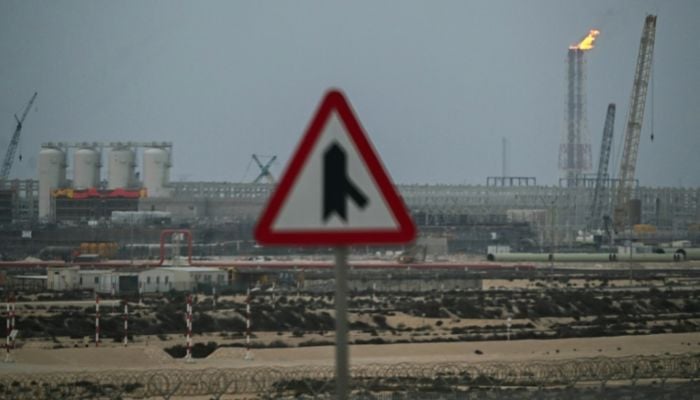
Qatar’s Ras Laffan, the world’s largest liquefied natural gas (LNG) hub, has suffered extensive damage following multiple Iranian strikes, marking a dangerous escalation in the Middle East conflict and triggering new fears about global energy supplies.
Critical Infrastructure Under Fire
State-run QatarEnergy reported “sizeable fires” and significant damage at several LNG facilities at Ras Laffan following back-to-back attacks. This comes after an earlier strike on Wednesday already caused extensive damage to a gas-to-liquids facility at the Ras Laffan Industrial City.
The attacks forced QatarEnergy to halt LNG production earlier this month and declare force majeure, causing a massive leap in global gas prices. Qatar shares the world’s largest natural gas reservoir with Iran, with Qatar’s portion holding about 10% of known global reserves.
Regional Energy Facilities Targeted
The strike on Ras Laffan follows attacks on multiple critical energy sites across the region:
- South Pars/North Dome: Iran’s largest gas field, supplying 70% of domestic natural gas, was hit Wednesday, causing fires according to state television.
- Kharg Island: Iran’s main crude oil export hub was struck by US forces on Saturday, though officials claim exports continue normally.
- Ruwais Refinery: The world’s fourth largest single-site refinery in Abu Dhabi halted operations this month after drone attacks.
- Ras Tanura: Saudi Arabia’s cornerstone refinery has been repeatedly targeted, causing fires and partial shutdowns.
Economic and Strategic Fallout
The conflict has dramatically reduced Gulf energy output, with oil and oil products plunging from 30 million barrels per day last year to 20 million currently, according to the International Energy Agency.
Oil prices surged more than 5% on Thursday, with Brent crude spiking to over $112 per barrel. The president of Aramco has warned the war could have “catastrophic consequences” on oil markets.
US President Donald Trump stated that Israel carried out the South Pars attack and warned that if Iran continues attacks against Qatar, US forces would “massively blow up the entirety” of the South Pars field.
Strait of Hormuz Blockade Threat
Iran has pledged to block all oil exports through the Strait of Hormuz, targeting vessels attempting to transit the crucial chokepoint that handles about one-fifth of the world’s oil consumption. Trump previously threatened to target Kharg Island’s infrastructure if Iran continues blocking the strait.
The attacks represent a dangerous new phase in the conflict, with critical global energy infrastructure becoming primary targets, threatening to destabilize markets and escalate regional tensions further.