Pakistan has announced a five-day humanitarian pause in its ongoing military campaign against militant targets in Afghanistan, coinciding with the Islamic festival of Eid ul-Fitr. The temporary halt, described as a “gesture in good faith,” comes amid intense cross-border hostilities and follows diplomatic requests from allied nations.
Terms of the Truce
Information Minister Attaullah Tarar stated the pause in Operation Ghazab lil-Haq (Righteous Fury) will be in effect from midnight March 18 to midnight March 23, 2026. The decision was made on Pakistan’s own initiative and following appeals from “brotherly Islamic countries,” including Saudi Arabia, Qatar, and Turkiye.
However, the minister issued a stern warning: any cross-border attack, drone incursion, or terrorist incident inside Pakistan during this period will trigger an immediate and intensified resumption of military operations.
Operation’s Toll and Recent Strikes
Officials provided a summary of the operation’s impact since its launch last month following what Pakistan calls unprovoked actions by the Taliban regime. According to the information minister:
- 707 terrorists killed and 938 injured.
- 255 Afghan Taliban regime posts destroyed and 44 captured.
- 237 tanks, armored vehicles, and artillery guns destroyed.
- 81 terrorist infrastructure sites targeted by air.
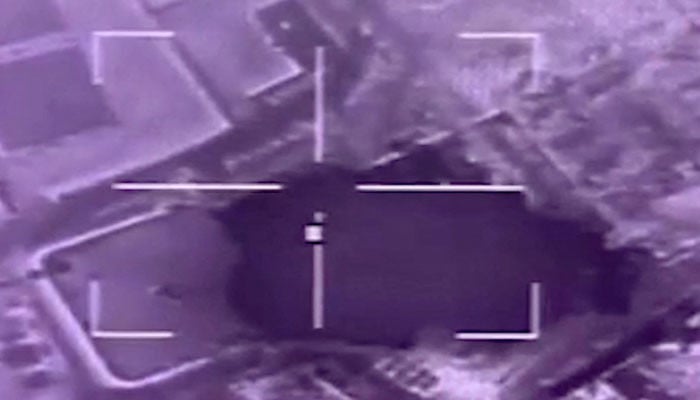
The minister detailed that strikes on March 16 targeted Afghan military installations in Kabul and Nangarhar, specifically destroying drone storage, technical support infrastructure, and ammunition sites allegedly used for attacks on Pakistan.
Allegations of Indian Involvement
In a significant revelation, Inter-Services Public Relations (ISPR) Director General Lt. Gen. Ahmed Sharif Chaudhry accused the Afghan regime of using India-supplied drones in recent attacks against Pakistan. He also dismissed Afghan claims of civilian casualties from Pakistani strikes, asserting the targets were legitimate militant facilities.
Background of Escalating Tensions
The current conflict flare-up is rooted in long-standing tensions. Pakistan launched the operation after a ceasefire agreement brokered in Qatar in October 2025 broke down. Islamabad alleges the Afghan Taliban regime provided cover for Khawarij (a term for the banned Tehreek-e-Taliban Pakistan or TTP) militants to cross the border.
The operation is a direct response to a series of suicide bombings in Pakistani cities—Islamabad, Bajaur, and Bannu—which were traced back to militants based in Afghanistan. Pakistan has repeatedly demanded that Kabul prevent its territory from being used as a launchpad for terrorism.
Diplomatic Efforts and Deadlock
Despite the ongoing military action, diplomatic channels have seen activity. Follow-up talks were held in Turkiye after the Qatar ceasefire, but Pakistan claims these discussions failed due to “stubbornness from the Afghan side,” accusing Kabul of using the platform to malign Pakistan rather than address core security concerns.
The announcement of an Eid pause indicates a potential opening for de-escalation, but the conditional and temporary nature of the truce underscores the fragile and volatile state of Pakistan-Afghanistan relations.