Regional Conflict Intensifies as Oil Prices Surge and Civilian Toll Mounts
Iran has vowed to attack oil and gas targets across the Gulf region, marking a dangerous new phase in its conflict with Israel and the United States. The threat came in direct response to what Iran alleges was an Israeli strike on its facilities in the massive South Pars gas field on Wednesday, a major escalation that sent global oil prices soaring.
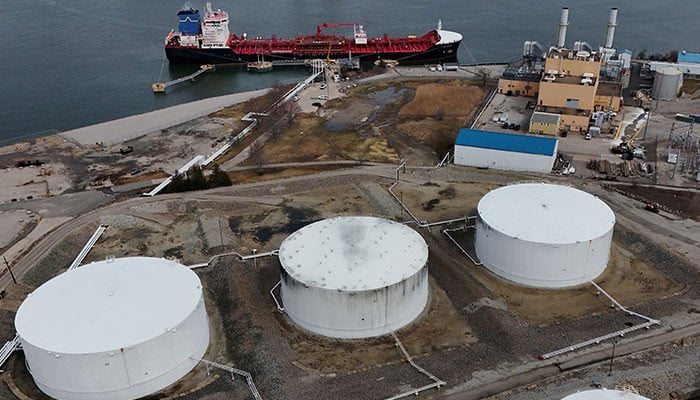
Qatar’s state energy giant, QatarEnergy, reported “extensive damage” after its Ras Laffan Industrial City was struck by Iranian missiles. Simultaneously, Saudi Arabia announced it had intercepted ballistic missiles targeting Riyadh and thwarted a drone attack on an eastern gas facility. The strikes represent a significant broadening of the conflict, directly threatening the world’s most critical energy-producing region.
Qatar Rebukes Both Sides, Expels Iranian Diplomats
Caught in the crossfire, Qatar issued rare rebukes to both nations. Its foreign ministry condemned Israel for a “dangerous and irresponsible” attack on the South Pars facilities, which form part of the world’s largest natural gas deposit shared by Iran and Qatar. It simultaneously denounced Iran’s missile strikes as “a flagrant breach” of international law and expelled two senior Iranian diplomats.
The escalation shatters a previous tacit understanding to avoid targeting civilian energy infrastructure. Iran published a list of specific regional facilities it now considers “direct and legitimate targets,” including major refineries and petrochemical complexes in Saudi Arabia, the UAE, and Qatar, warning they should be evacuated immediately.
Global Energy Markets in Turmoil
The conflict’s impact on global energy supplies is now unprecedented. Benchmark Brent crude prices jumped approximately 5% to above $108 a barrel. The war has already effectively shut the Strait of Hormuz, a chokepoint for 20% of the world’s oil and liquefied natural gas, and threatens to cause lasting damage to production infrastructure.
- U.S. diesel prices have risen above $5 a gallon for the first time since 2022.
- U.S. producer prices saw their largest increase in seven months in February, with further acceleration expected.
- France’s President Emmanuel Macron called for a “moratorium on strikes targeting civilian infrastructure,” especially energy and water facilities.
Military Strikes Expand Across the Region
The war, which began with U.S.-Israeli attacks on Iran nearly four weeks ago, has rapidly expanded. Israel conducted intense airstrikes on central Beirut, destroying apartment buildings. Israeli Defense Minister Israel Katz stated that “no one in Iran has immunity,” after Israeli operations killed senior Iranian officials, including intelligence minister Esmail Khatib and security chief Ali Larijani.
Iran has retaliated with missile attacks on Israel, including the use of cluster munitions. The death toll is mounting across the region:
- An estimated 3,000-plus people have been killed in Iran since February 28.
- Authorities in Lebanon report 900 killed and 800,000 displaced.
- At least 15 people have been killed in Israel, with casualties also reported in the West Bank, Iraq, and Gulf states.
- At least 13 U.S. military service members have been killed.
International Calls for Diplomacy Amid Rising Stakes
In Washington, U.S. intelligence officials indicated that while Iran’s government has been degraded, it remains intact and capable of attacking U.S. interests. European Union foreign policy chief Kaja Kallas emphasized that safe passage through the Strait of Hormuz is a priority and called for a diplomatic solution.
The direct targeting of shared energy infrastructure marks a perilous turning point, raising the stakes for global economic stability and intensifying pressure on all involved parties to seek a de-escalation.