Government Moves to Calm Markets and Consumers as Regional Tensions Escalate
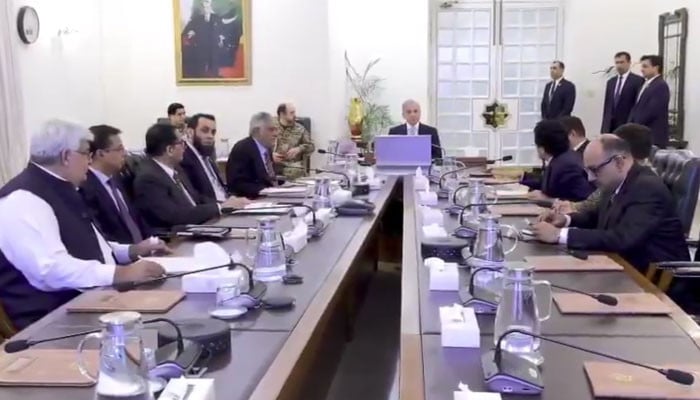
Prime Minister Shehbaz Sharif has pledged that government measures to provide public relief will continue unabated, even as a US-led blockade of a critical Middle Eastern shipping lane fuels global anxiety over energy supplies. The assurance came during a high-level meeting convened on Monday to review the nation’s petroleum reserves.
The geopolitical backdrop is stark. The statement follows the United States imposing a naval blockade on the Strait of Hormuz after peace talks in Islamabad with Iran concluded without an agreement. This action has sent shockwaves through global shipping corridors, with particular concern for the uninterrupted flow of fuel.
Adequate Stocks and Future Imports Secured, Says Government
During the meeting, officials briefed the Prime Minister that Pakistan currently holds adequate petroleum stocks. They emphasized that arrangements for future oil imports have already been secured to meet anticipated domestic demand. Despite this buffer, authorities stressed the ongoing necessity for public and industrial fuel conservation measures.
“Effective planning and oversight have so far prevented any shortage,” PM Shehbaz noted, while directing relevant authorities to maintain continuous monitoring of national oil consumption patterns to preempt any potential disruptions.
Recent Price Cuts and Digital Relief for Transporters
The government’s commitment to relief comes after a period of significant price volatility. Over the past two weeks, the federal government has enacted two separate price reductions:
- Petrol prices were cut by up to Rs91.83 per litre.
- Diesel prices were reduced by Rs134.81 per litre.
These cuts partially offset sharp increases imposed earlier in the month, which had seen petrol rise by Rs137.23 and diesel by Rs184.49 per litre.
Further mitigating the impact, the Prime Minister had previously announced direct relief payments for public and freight transporters. These funds are being disbursed through digital wallets to support those most affected by fluctuating petroleum costs.
High-Level Oversight Amid Global Economic Uncertainty
The high-stakes meeting was attended by key cabinet members, including Deputy Prime Minister and Foreign Minister Ishaq Dar, Economic Affairs Minister Ahad Cheema, Petroleum Minister Ali Pervaiz Malik, and Information Minister Attaullah Tarar, alongside senior officials from relevant institutions.
The government’s proactive stance aims to stabilize the domestic market as international financial institutions warn of growing risks to the global economy from the escalating Middle East conflict, which has already triggered a surge in crude oil prices above $100 a barrel.