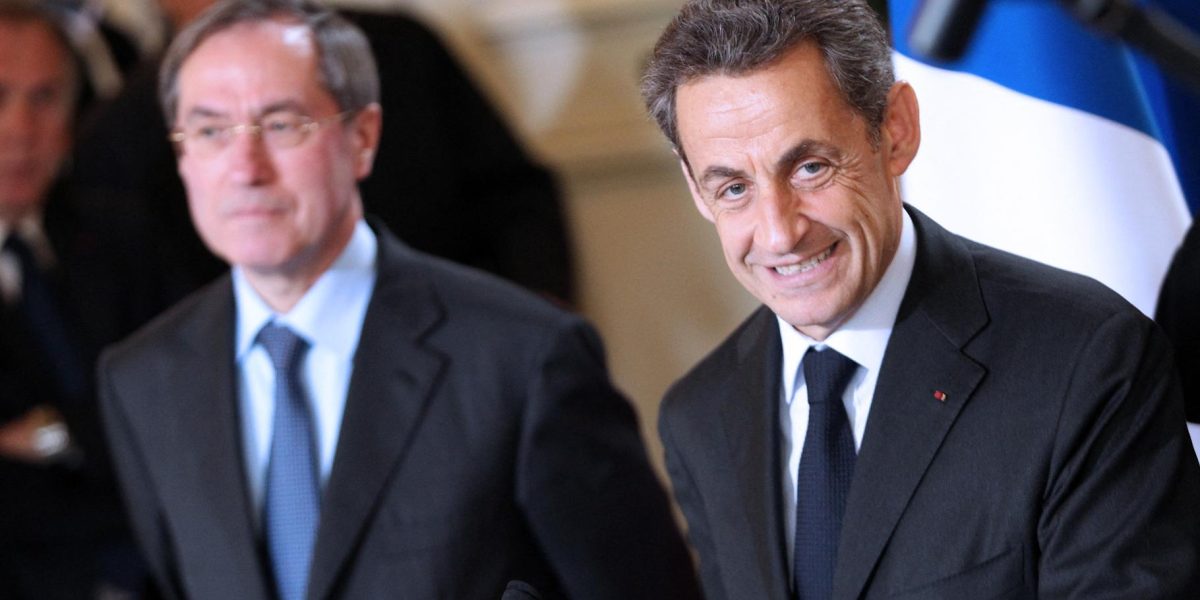
The appeal trial examining alleged Libyan financing for Nicolas Sarkozy’s 2007 presidential campaign witnessed a sharp confrontation on Tuesday, as the former president and his one-time right-hand man presented starkly opposing accounts.
Written Rebuttal Denies All Accusations
Claude Guéant, Sarkozy’s former secretary-general at the Élysée Palace, responded forcefully to accusations made against him. Absent from court for health reasons, Guéant had his lawyer, Philippe Bouchez El Ghozi, read a written statement. The lawyer denounced what he called “extremely violent attacks on [Guéant’s] integrity” and spoke of his client’s “profound wound.”
In the document, Guéant categorically rejected any personal involvement in financial flows: “I have never in my life received or solicited money from anyone. To imply otherwise is serious.” He is suspected of having played a role in contacts with Libyan intermediaries and of receiving money in this context, allegations he denies.
Sarkozy’s Defense Shifts Focus to Collaborators
For several hearings, Nicolas Sarkozy has insisted on elements of the case he claims to have discovered during the proceedings. From the witness stand, he has expressed discomfort with certain facts he does not link to his own functions, instead pointing toward his former collaborators, notably Claude Guéant.
Guéant’s legal team directly targeted this defense strategy. His lawyer accused Sarkozy of putting forward hypotheses about Guéant while refusing to accept any that concern himself.
Conflicting Versions on Key Interactions
Guéant’s statement also addressed key episodes in the case, including exchanges with Libyan officials. He asserted he acted within a known framework and that he informed Nicolas Sarkozy of certain steps. He specifically recalled an incident during an official trip in 2007. Regarding Abdallah Senoussi, the brother-in-law of dictator Muammar Gaddafi, Guéant claims Sarkozy told him: “Claude, look into this.”
Abdallah Senoussi, a central figure in the Libyan regime convicted for the UTA DC-10 bombing, is a focus of the investigation. His contacts with Sarkozy’s inner circle raise judicial questions about potential political or judicial favors.
Sarkozy disputes this version. In court, he maintains he was unaware of such elements and insists on his surprise at certain information revealed by the investigation, while acknowledging the professional qualities he once attributed to his former collaborator.
The trial continues as the court weighs these contradictory testimonies in a case that has haunted French politics for years.