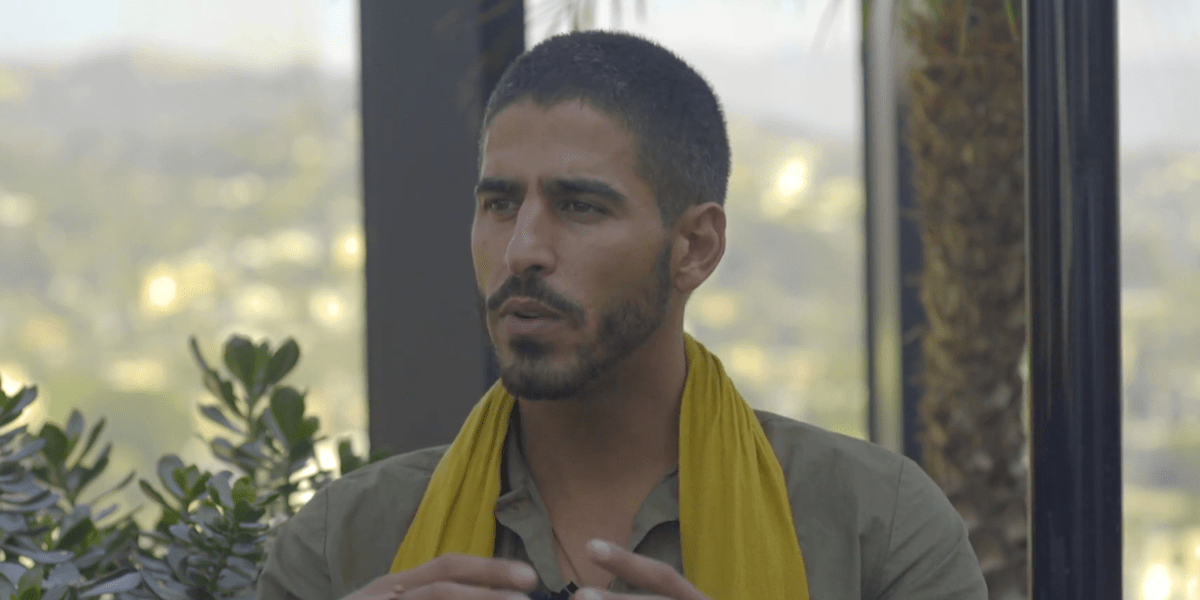
Washington, D.C. — The Committee to Protect Journalists (CPJ) has issued an urgent call for Kuwait to release Kuwaiti-American journalist Ahmed Shihab-Eldin, who has been detained for over six weeks on charges commonly used to silence independent media.
Vague Charges and a Broader Pattern
Shihab-Eldin, an award-winning contributor to outlets including The New York Times and Al Jazeera English, has not been seen publicly since March 2 while visiting family in Kuwait. Authorities have charged him with spreading false information, harming national security, and misusing his mobile phone.
“We call on Kuwait to release Ahmed Shihab-Eldin and drop all charges against him,” said CPJ Regional Director Sara Qudah. “Journalism is not a crime, and Shihab-Eldin’s case reflects a broader pattern of using national security laws to stifle scrutiny and control the narrative.”
Reporting in a Climate of Military Escalation
His detention coincides with a severe press freedom clampdown during regional military escalations in the Iran war. Prior to his disappearance, Shihab-Eldin had commented on publicly available war-related material, including a CNN-verified, geolocated video showing a U.S. fighter jet crash near a base in Kuwait.
On March 2, Kuwait’s Ministry of Interior warned against filming or publishing information related to Iranian attacks, announcing several arrests for spreading “false news.” The Ministry of Information has since referred multiple cases to the Public Prosecution.
New Law Imposes Decade-Long Sentences
The legal landscape for journalists tightened significantly on March 15 with the enactment of Law No. 13 of 2026. Article 26 mandates prison sentences of up to 10 years for anyone who “disseminates news, publishes statements, or spreads false rumors related to military entities” with intent to undermine public confidence.
Other Journalists Targeted
Other reporters have faced similar pressures. Yitzchak Horowitz, a journalist for an ultra-Orthodox newspaper, reported being arrested in Kuwait in March on suspicion of espionage after photographing U.S. warships. He was questioned for hours about his identity and possible ties to Israel before being released.
Documented Backslide on Press Freedom
This crackdown follows an escalating trend documented by CPJ. In 2025, the organization submitted a joint report to the U.N. Human Rights Council detailing Kuwait’s worsening environment for journalists and press freedom ahead of the country’s Universal Periodic Review.
The Kuwaiti Embassy in Washington, D.C., did not immediately respond to a CPJ request for comment on Shihab-Eldin’s case.