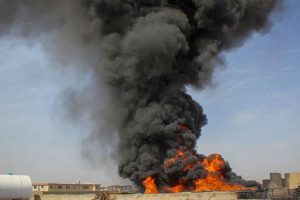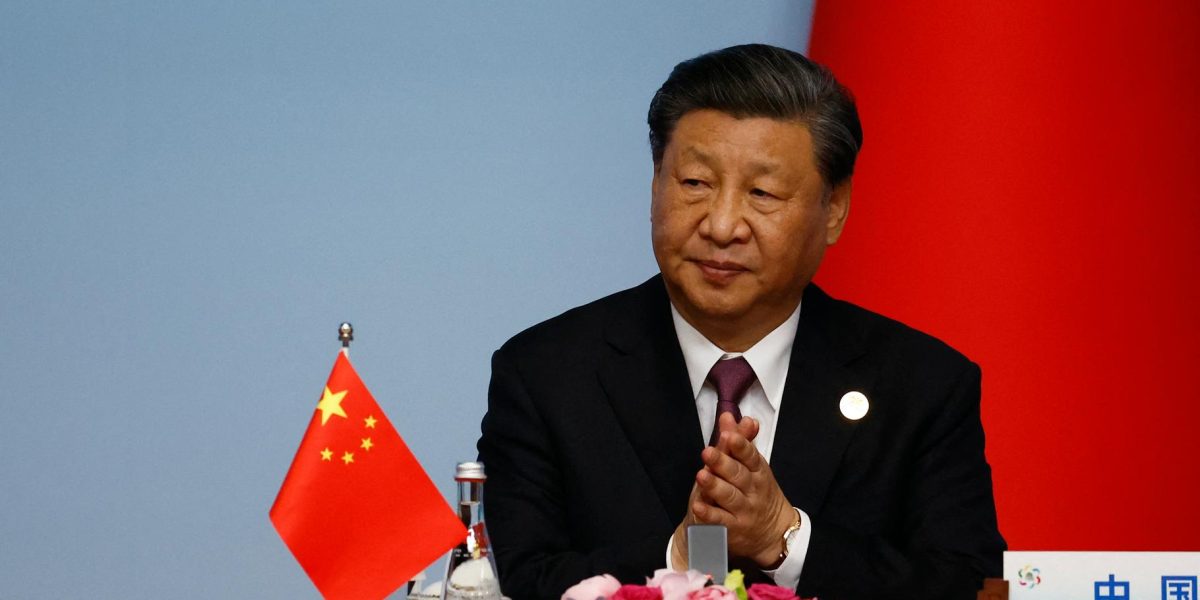
Chinese President Xi Jinping has publicly condemned the American blockade in the Strait of Hormuz, labeling it a “dangerous and irresponsible behavior.” This marks a significant shift as China steps out from the shadows to directly address the ongoing conflict in Iran, having previously avoided strongly accusatory public comments.
A Call for Order and Ceasefire
In a statement on Tuesday, April 14, President Xi called for a “comprehensive and durable” ceasefire, warning that “we cannot let the world return to the law of the jungle.” While militarily less visible, Beijing is leveraging its substantial economic and diplomatic influence to position itself as an indispensable mediator. China, which enjoys Iran’s trust and maintains a balanced relationship with the United States, is credited with pushing Tehran to the negotiation table.
China’s Critical Economic Stakes in Iran
Beijing’s central role in the crisis is rooted in deep economic ties with Tehran. China is a primary trading partner for Iran, especially in the energy sector. By 2025, China was set to receive over 80% of Iran’s oil exports. Conversely, Iranian oil constitutes roughly 13% of China’s seaborne oil imports, according to data from Kpler. This dependency means any instability in Iran directly threatens China’s energy security, incentivizing Beijing to push for a swift return to calm.
Experts note China’s strategic pragmatism. “China is a strategic and opportunistic country trying to advance its position,” said Philippe Le Corre, a professor at ESSEC and researcher at the Asia Society Policy Institute. Maintaining commerce requires a stable Iran and a familiar negotiating partner—the current Islamic regime. While Beijing prefers the known entity in Tehran, analysts like John Calabrese of the Middle East Institute suggest China is pragmatic enough to adapt to political changes, as it has done in the past.
Balancing Global Ambitions and Diplomacy
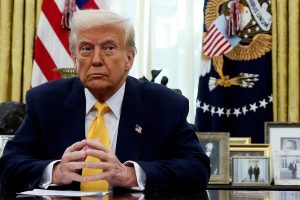
Despite its significant interests in Iran and the broader Middle East, China must adopt a measured posture. Overly harsh criticism of the U.S. could jeopardize the anticipated Sino-American summit, where Presidents Trump and Xi are scheduled to meet on May 14-15 to “revitalize relations” and extend a trade truce.
Beyond commercial imperatives, China’s mediation role serves broader ambitions to establish itself as a key global interlocutor. “This is an opportunity China will not miss to demonstrate its leadership and diplomatic initiative,” said Sun Yun, director of the China Program at the Stimson Center. This stance allows Beijing to present itself as a champion of international stability and principled peace, in contrast to what it frames as reckless U.S. interventionism.
“Their narrative is: if Washington is reckless, aggressive, and indifferent to consequences for others, China is a champion of responsible, principled peace,” said Danny Russell, a former U.S. diplomat. Philippe Le Corre adds that China’s interest is to “contest what it considers to be American hegemony.” This diplomatic positioning is gaining traction, with Spanish Prime Minister Pedro Sanchez, during a visit to China, calling for greater Chinese involvement in the global order and conflict resolution.