Diplomatic Snub in Washington
In a stark diplomatic rebuke, Israel has explicitly stated its desire to keep France away from newly revived negotiations with Lebanon. The remarks came from Israel’s ambassador to the United States, Yechiel Leiter, who told reporters, “It is certain that we do not want to see the French involve themselves in these negotiations.” He doubled down, stating Israel’s aim was to keep Paris “as far away as possible from practically everything, but especially when it comes to peace negotiations.”
Underlying Tensions and a Broader Disagreement
The public dismissal points to a deeper rift. Israel views France as “not necessary” and lacking “positive influence” in Lebanon, a stance that seeks to disqualify a nation with deep historical ties and significant political and diplomatic channels in Beirut. This position was made more conspicuous as France recently joined seventeen other nations in calling on both Israel and Lebanon to seize the opportunity presented by the U.S.-mediated talks.
Direct Talks Resume After Decades
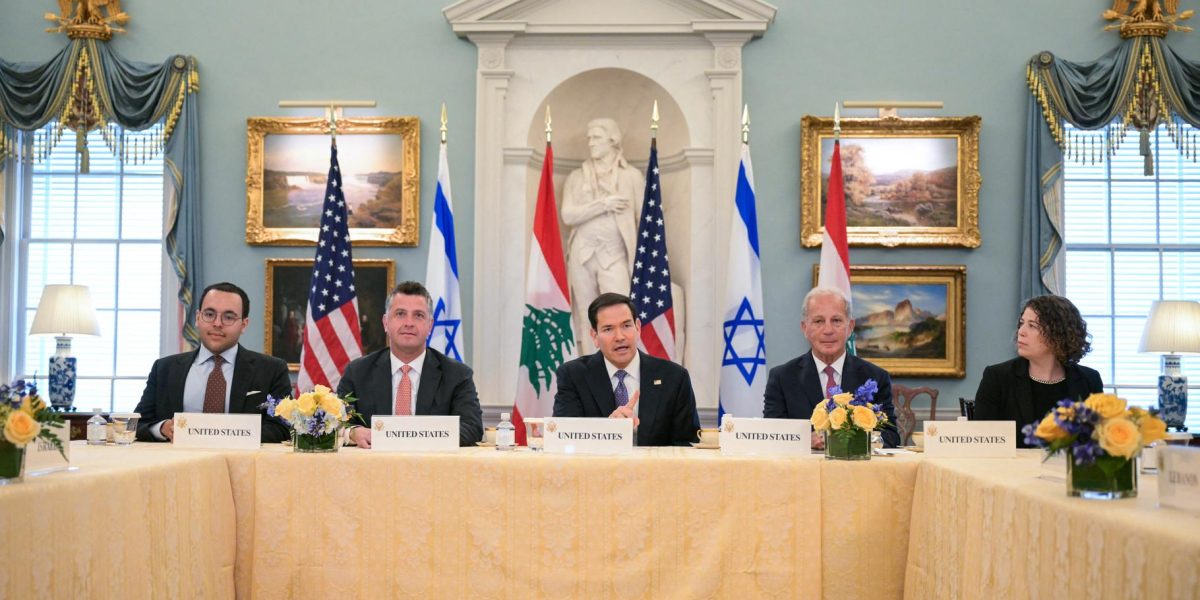
The negotiations in question mark a significant shift. On Tuesday, Israeli and Lebanese officials met in Washington for their first direct discussions in over thirty years. The talks, mediated by the United States, were described as “constructive” by Lebanese Ambassador Nada Hamadeh Moawad, who emphasized a ceasefire, the return of displaced populations, and Lebanese sovereignty. Israel’s focus remains on securing its northern border and the disarmament of Hezbollah.
Why France is Being Pushed Out
Israel’s move to exclude France is driven by multiple factors. French positions on Israeli military operations in Lebanon and its support for recognizing a Palestinian state have strained relations with Prime Minister Benjamin Netanyahu’s government. Furthermore, Israel appears intent on keeping the dialogue tightly focused and directly managed by its key ally, the United States, without additional actors at the table.
This sidelining of a traditional European power underscores the current Israeli administration’s preference for a U.S.-centric diplomatic process, even as violence continues along the Lebanon-Israel border.