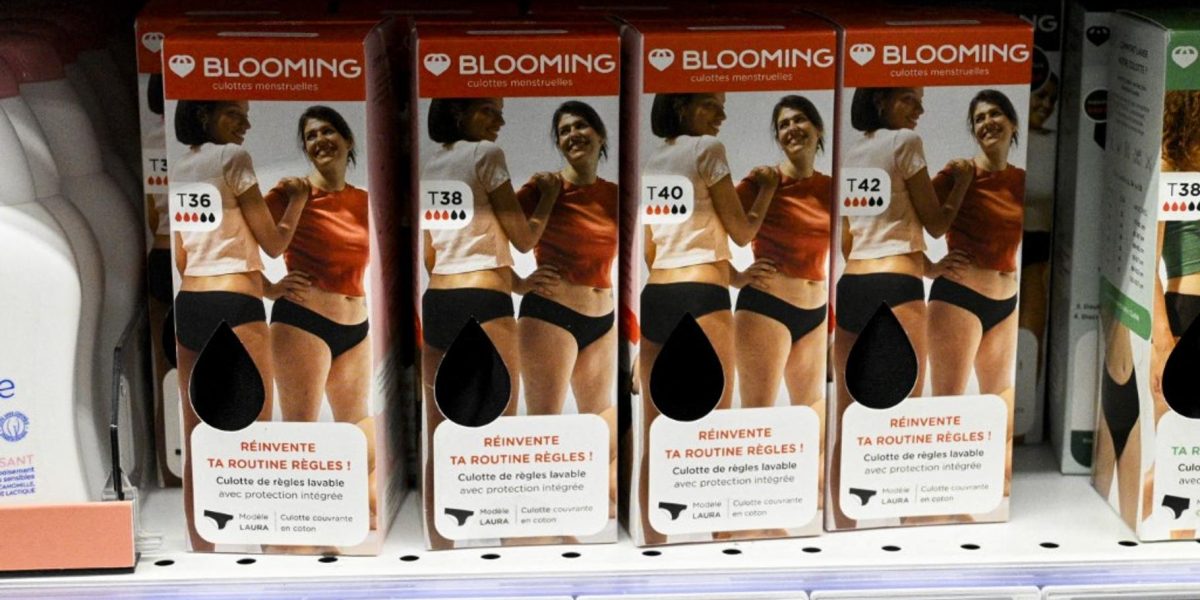
The French government has announced that a long-awaited decree enabling the reimbursement of reusable menstrual products will come into effect at the start of the 2026 academic year. The measure, which will benefit approximately 6.7 million people, was formally signed on Thursday, April 26.
Who Is Eligible for Reimbursement?
The policy targets two key groups: all individuals under the age of 26, and beneficiaries of the Complémentaire Santé Solidaire (a state health coverage scheme for low-income residents), who will be eligible regardless of age. For those under 26, the national health insurance will cover 60% of the cost, with the remaining balance expected to be covered by complementary health insurance. Those covered by the solidarity scheme will receive 100% reimbursement.
A Measure Delayed by Political Changes
Originally adopted as part of the 2024 Social Security Financing Law, the implementing decree faced significant delays due to repeated government reshuffles. Earlier this year, Minister Delegate for Gender Equality, Aurore Bergé, acknowledged the “unacceptable” hold-up during a parliamentary session.
The decree is set to be published imminently in the Official Journal. However, a separate ministerial order, which must be issued within three months, is still required to finalize the exact specifications and types of reusable products—such as menstrual cups and period pants—that will be covered. Reports indicate the technical specifications have undergone multiple revisions following consultations between manufacturers and the Social Security directorate.
Combating Period Poverty and Promoting Sustainability
The government states the initiative has a triple objective: to fight period poverty, support purchasing power, and encourage the use of sustainable products. “It aims to promote the use of reusable protections, which are more durable, more environmentally friendly, and non-harmful to health,” officials stated.
The association Règles Élémentaires, which campaigns against period poverty, hailed the decree as “a historic advance.” The group noted it represents the first time in the world such a right to menstrual protection has been established, while also pledging vigilance to ensure the measure effectively reaches the most vulnerable populations.