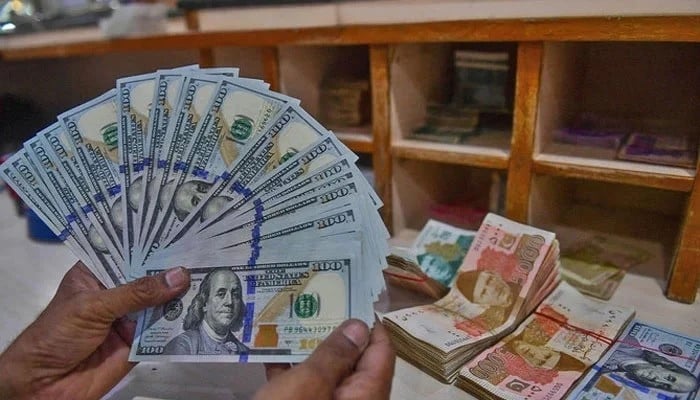
Pakistan’s current account balance posted a significant surplus of $1.07 billion in March 2026, marking a third straight month of positive figures and providing a boost to the nation’s external sector. The surplus, reported by the State Bank of Pakistan (SBP), represents a sharp increase from the $231 million recorded in February, though it is 16% lower than the surplus from the same month a year prior.
Drivers of the Surplus: Remittances and Trade
The improvement is primarily attributed to a narrowing of the goods and services trade deficits alongside resilient inflows from worker remittances. This compression in imports suggests that economic demand management policies are taking effect, though analysts note it may also reflect subdued domestic economic activity rather than a surge in export-led growth.
For the first nine months of the fiscal year 2026, the cumulative current account balance stands at a modest $8 million, a stark contrast to the $1.674 billion surplus recorded in the comparable period of the previous fiscal year.
Saudi Financial Inflow Bolsters Reserves
The balance of payments data follows a crucial $2 billion deposit from Saudi Arabia, received on April 15, 2026. The SBP confirmed the inflow, stating it strengthens foreign exchange reserves, improves near-term market confidence, and supports exchange rate stability.
Dr. Khaqan Najeeb, a former finance ministry adviser, characterized the Saudi funds as a “liquidity-supporting, non-market buffer.” He cautioned that while it helps cover external financing needs, including an upcoming loan repayment to the United Arab Emirates, it is a debt-creating deposit and does not represent a structural improvement in Pakistan’s balance of payments.
Broader Financial Support and Reserve Pressures
The government also announced that Saudi Arabia has pledged an additional $3 billion in deposits and has extended its existing $5 billion deposit facility for another three years. This support is critical as Pakistan faces a $3.5 billion debt repayment to the UAE this month, which has strained foreign reserves.
SBP’s foreign exchange reserves fell by $1.321 billion to $15.1 billion in the week ending April 10, 2026. The central bank attributed the decline to a $1.426 billion repayment against a Pakistan Sovereign Eurobond. The country’s total liquid foreign reserves decreased to $20.525 billion, with commercial banks’ reserves also dipping slightly.
The consecutive monthly surpluses and the influx of Saudi financial support offer temporary relief for Pakistan’s economy, which continues to navigate significant external debt obligations and the need for sustainable, long-term balance of payments stability.