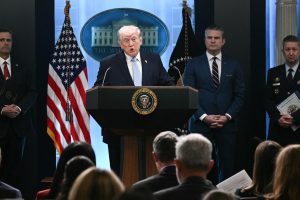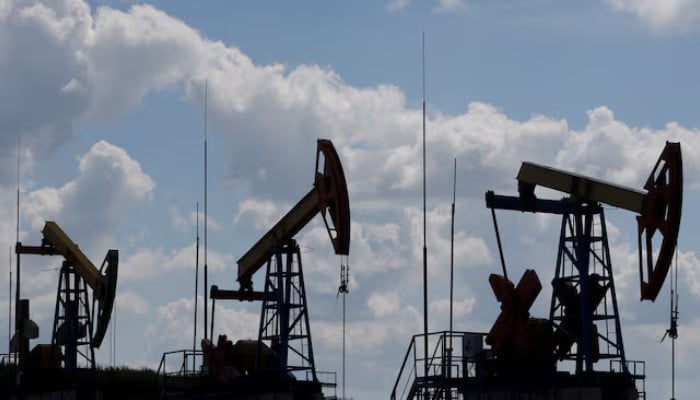
The Trump administration has extended a critical waiver permitting countries to purchase sanctioned Russian oil, a move aimed at stabilizing global energy markets roiled by the ongoing US-Israeli war with Iran. The decision, however, has ignited bipartisan criticism in Washington and raised concerns among European allies about undermining efforts to pressure Moscow over its war in Ukraine.
A Strategic Reversal to Control Prices
The U.S. Treasury Department renewed the waiver, allowing transactions for Russian oil and petroleum products loaded on vessels through May 16. This replaces a previous 30-day waiver that expired on April 11. The exemption notably excludes dealings with Iran, Cuba, and North Korea.
The renewal marks a swift reversal. Just two days prior, Treasury Secretary Scott Bessent stated Washington would not extend the waiver for Russian oil or a separate one for Iranian oil set to expire soon. A Treasury spokesperson clarified the shift, stating, “As negotiations (with Iran) accelerate, Treasury wants to ensure oil is available to those who need it.”
The policy is a direct response to soaring energy prices triggered by the conflict in the Middle East. The International Energy Agency has called the war, now in its eighth week, the worst global energy supply disruption in history, with over 80 oil and gas facilities damaged.
Political Pressure and Global Appeals
High oil prices pose a significant political threat to President Donald Trump’s Republican party ahead of the November midterm elections. The administration has faced substantial pressure from partner nations grappling with the energy shock.
A U.S. source revealed that countries on the sidelines of the recent G20, World Bank, and IMF meetings in Washington explicitly requested the waiver’s extension. President Trump also discussed oil supplies in a call with Indian Prime Minister Narendra Modi, a major buyer of Russian crude.
While the temporary reopening of the Strait of Hormuz caused oil prices to tumble 9% to around $90 a barrel, Tehran has warned it could close the vital chokepoint again if a U.S. naval blockade of its ports continues, leaving markets on edge.
Domestic and International Backlash
The waiver has drawn fierce condemnation from U.S. lawmakers across the political spectrum. They argue it benefits the economies of both Iran, which is at war with the U.S., and Russia, which continues its invasion of Ukraine.
The move also risks creating a rift with European allies. European Commission President Ursula von der Leyen has emphasized that now is not the time to relax sanctions against Russia. Russian presidential envoy Kirill Dmitriev welcomed the decision, stating on social media, “US-Russian economic and energy cooperation will continue.”
Lasting Market Damage and Depleted Tools
Analysts warn that the waivers are a sign of depleted options. Brett Erickson, a sanctions expert at Obsidian Risk Advisors, suggested Friday’s renewal is unlikely to be the last.
“The conflict has done lasting damage to global energy markets, and the tools available to stabilise them are nearly exhausted,” Erickson said. The previous Iranian oil waiver, issued in March, allowed 140 million barrels to reach markets, providing critical, if controversial, relief.
As the administration walks a tightrope between geopolitical pressure and economic necessity, the extended waiver underscores the profound and ongoing impact of Middle East hostilities on worldwide energy security and diplomatic cohesion.