In a significant relief for consumers and the transport sector, the Pakistani government has announced a sharp reduction in the price of high-speed diesel (HSD). The move comes in response to a dramatic plunge in international oil prices triggered by geopolitical developments in the Middle East.
Substantial Reduction at the Pump
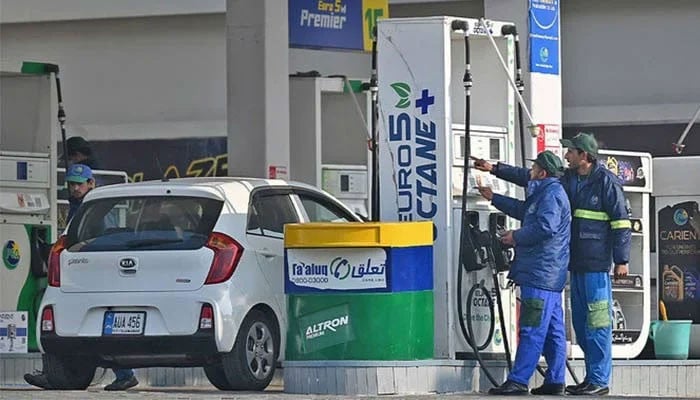
Prime Minister Shehbaz Sharif announced a cut of Rs32.12 per litre in the price of high-speed diesel on Friday. According to an official notification, the new price has been set at Rs353.43 per litre, down from the previous rate of Rs385.54. The Prime Minister vowed that the impact of the reduction in international oil prices would be passed on to the public as soon as possible.
In a separate notification, the Petroleum Division stated that the price of petrol will remain unchanged for the next seven days, starting from April 18. This decision follows a previous weekly review where the government had announced cuts of Rs12 for petrol and Rs1.35 for diesel.
Global Market Trigger: Strait of Hormuz Reopens
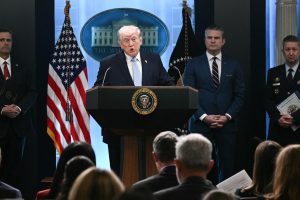
The price adjustment is a direct consequence of a sharp decline in the global oil market. International oil prices plunged by approximately 13% after Iran’s foreign minister stated that passage for all commercial vessels through the critical Strait of Hormuz was open for the remaining ceasefire period. US President Donald Trump also stated that Iran had agreed to never close the strait again.
The market reaction was immediate and severe:
- Brent crude futures fell by $12.87, or 12.95%, to $86.52 a barrel.
- US West Texas Intermediate crude futures dropped by $13.50, or 14.26%, to $81.19 a barrel.
Both contracts hit their lowest levels since March 10 and were set for their largest daily declines in weeks.
Analysts Point to De-escalation
Market analysts viewed the comments from Iranian officials as a sign of de-escalation. “Comments from Iran’s foreign minister indicate a de-escalation as long as the ceasefire is in place,” said UBS analyst Giovanni Staunovo. “Now we need to see if the number of tankers crossing the Strait increases substantially.”
The reopening of this vital maritime chokepoint, through which a substantial portion of the world’s seaborne oil passes, drained significant geopolitical risk premium from the markets, leading to the price collapse.
The Pakistani government’s swift action to adjust domestic prices reflects its policy of linking local fuel costs to international benchmarks, providing timely relief amid volatile global conditions.