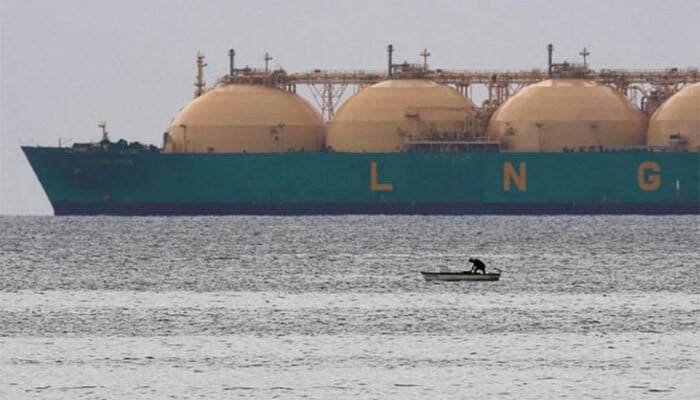
Pakistan LNG Limited has launched its first spot tender for liquefied natural gas (LNG) since December 2023, as the country grapples with severe supply shortfalls triggered by the ongoing conflict in the Middle East. The tender comes amid a blockade of the Strait of Hormuz that has disrupted global energy shipments.
The state-owned company is seeking bids from international suppliers for three LNG cargoes, each approximately 140,000 cubic metres, according to a tender notice published Thursday. The cargoes are scheduled for delivery on April 27-30, May 1-7, and May 8-14 at Port Qasim in Karachi. The tender closes on April 24.
Rising Power Demand Drives Urgent Procurement
Federal Minister of Energy Awais Leghari told Reuters that the LNG tender is intended to meet rising power demand and reduce reliance on more expensive diesel and furnace oil. The minister acknowledged uncertainty over when additional cargoes from Qatar, Pakistan’s primary LNG supplier, would resume.
The tender follows widespread power outages last week, as a drop in hydropower generation and disruptions to LNG supplies exposed critical gaps in fuel availability. Pakistan has not received any LNG cargoes loaded after the Middle East war began on February 28, when Iran effectively shut off nearly all shipping through the Strait of Hormuz.
Qatar Supply Chain Disrupted
Qatar, which depends on access through the Strait of Hormuz to export its energy output, supplied the bulk of the 6.64 million metric tons of LNG that Pakistan imported last year, according to data from Kpler. The blockade has pushed Asian spot LNG prices to three-year highs, though they have recently retreated somewhat. Prices stood at $16.05 per million British thermal units (mmBtu) as of the latest trading, a 54% increase since February 23.
Azerbaijan Offers Alternative Supply
Azerbaijan’s state energy company SOCAR announced Tuesday that it is ready to supply LNG to Pakistan as soon as it receives a formal request from Islamabad. A framework agreement signed in 2025 between SOCAR Trading and Pakistan LNG allows the South Asian buyer to purchase cargoes under an accelerated procedure.
Islamabad had previously cancelled 21 LNG cargoes for the 2026-27 period under a long-term deal with Eni, anticipating slower demand growth and increased power supply from solar energy. The current supply disruptions have tested that strategic shift, even as greater reliance on domestic and renewable power has cushioned some of the impact.
Exposure to Supply Shocks Persists
Despite efforts to diversify energy sources, Pakistan remains vulnerable to supply shocks. LNG is still essential to meet peak summer demand and limit power outages. Analysts have slashed global LNG supply outlooks and expect high prices and supply shortages to cause demand destruction across Asia.
The Strait of Hormuz, which typically handled 20% of daily global LNG flows before the war, remains effectively closed to most commercial shipping. Iran has maintained its blockade despite US pressure, keeping energy markets on edge and forcing import-dependent nations like Pakistan to scramble for alternative supplies.