Iran has floated a new diplomatic proposal through Pakistani mediators that prioritizes reopening the strategic Strait of Hormuz ending the ongoing conflict, while deferring negotiations over its nuclear program to a later stage, according to a report by Axios citing an American official and two sources familiar with the matter.
The development comes as hopes for a breakthrough in the two-month war between Iran and a US-led coalition suffered a setback over the weekend. US President Donald Trump canceled a planned visit to Islamabad by his envoys Steve Witkoff and Jared Kushner, a move that dimmed prospects for immediate peace talks.
Iranian Foreign Minister Shuttles Between Mediators
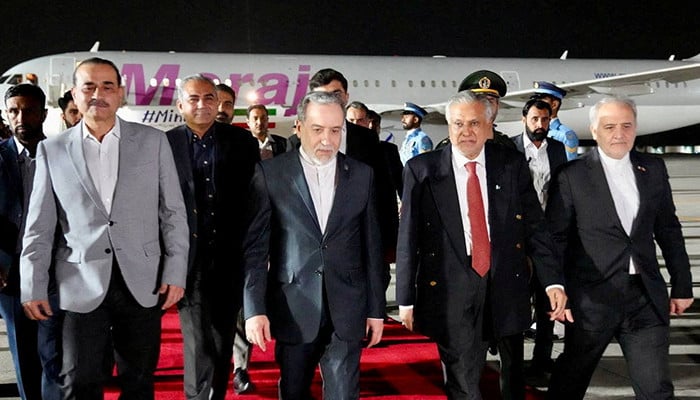
Iranian Foreign Minister Abbas Araghchi traveled between Pakistan and Oman on Sunday before heading to Russia, as the two sides remain deeply divided on key issues, including Iran’s nuclear ambitions and access to the Strait of Hormuz. The strait, a vital maritime chokepoint, normally handles about a fifth of global oil shipments.
Trump reiterated his stance in an interview with Fox News, stating that Iran could initiate contact if it wishes to negotiate. “If they want to talk, they can come to us, or they can call us. You know, there is a telephone. We have nice, secure lines,” Trump said. He added that any agreement must be “very simple: They cannot have a nuclear weapon; otherwise, there’s no reason to meet.”
Iran has consistently maintained that it seeks to enrich uranium solely for peaceful purposes, a claim disputed by Western powers who suspect the program is aimed at developing nuclear weapons.
Ceasefire Framework and Nuclear Issue Deferred
According to the Axios report, Araghchi raised the plan to bypass the nuclear issue during his meetings in Islamabad. He reportedly made clear to mediators from Pakistan, Egypt, Turkey, and Qatar that there is no consensus within the Iranian leadership on how to address US demands regarding the nuclear program.
The proposed framework focuses on two immediate goals: reopening the Strait of Hormuz and lifting the blockade imposed by Washington on Iranian ports. Under the plan, the existing ceasefire would either be extended for a prolonged period or converted into a permanent end to hostilities. Negotiations on the nuclear issue would only commence after maritime access is restored and blockade-related concerns are addressed.
White House Response Cautious
The White House has received the proposal, though it remains unclear whether Washington is prepared to consider it. “These are sensitive diplomatic discussions and the US will not negotiate through the press,” a White House spokesperson told Axios. “As the president has said, the United States holds the cards and will only make a deal that puts the American people first, never allowing Iran to have a nuclear weapon.”
The conflict, which began with US-Israeli strikes on Iran on February 28, has resulted in thousands of casualties, driven up oil prices, fueled inflation, and darkened the outlook for global growth. Trump, facing falling approval ratings, is under domestic pressure to end an unpopular war. Iran, though militarily weakened, has found leverage in its ability to disrupt shipping in the strait.
Broader Disagreements Persist
Disagreements between the US and Iran extend well beyond the nuclear program and control of the Strait of Hormuz. Trump seeks to limit Iran’s support for its regional proxies, including Hezbollah in Lebanon and Hamas in Gaza, and curb its ballistic missile capabilities. Iran, in turn, demands a lifting of sanctions and an end to Israeli attacks on Hezbollah.
In Lebanon, continued as Israeli strikes killed 14 people and wounded 37 on Sunday, according to the health ministry. The Israeli military warned residents to leave seven towns beyond the “buffer zone” it occupied before a ceasefire that has failed to fully halt hostilities.