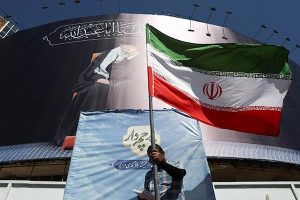
Iranian Foreign Minister Abbas Araghchi engaged in a whirlwind diplomatic tour on Monday, holding high-stakes meetings in Pakistan and Russia as the United States and Israel continued military operations against Iran. The diplomatic push comes amid a widening conflict that has disrupted global shipping and triggered renewed cross-border hostilities.
Araghchi Calls Islamabad Visit ‘Very Productive’
Araghchi described his trip to Islamabad as “very productive,” according to Iran’s official IRNA news agency. During his visit, he met with Pakistani Field Marshal Munir and held “good consultations” that reviewed past events and the conditions under which negotiations between Iran and the US could continue.
Life in the Pakistani capital returned to normal after two weeks of heightened security. All major roads in Rawalpindi and Islamabad were reopened, and public transport services, including the metro bus, resumed operations, according to Chief Traffic Officer Farhan Aslam.
Tehran-Putin Talks Key to War Review
From Pakistan, Araghchi flew to Saint Petersburg for talks with Russian President Vladimir Putin. Upon arrival, he told Iranian media that the meeting would be “a good opportunity to discuss developments in the war and review the latest situation.” Kremlin spokesman Dmitry Peskov confirmed Putin’s plans to meet the Iranian minister.
“I am confident that these consultations and coordination between the two countries will be of particular importance,” Araghchi said, emphasizing the need for close consultations between Tehran and Moscow on regional and international issues.
Flights Resume at Tehran Airport
Flights resumed at Imam Khomeini International Airport in Tehran after disruptions caused by the US-Israeli strikes. The resumption signals a partial return to normalcy in the Iranian capital, though tensions remain high.
Shipping Chaos: 43 Container Ships Stranded in Gulf
Lloyd’s List reported that at least 43 container ships remain stranded in the Gulf, a consequence of the ongoing blockade. US Central Command (CENTCOM) confirmed that American warships had directed 38 vessels to turn around amid the blockade of Iranian ports. The disruption has raised global concerns over the safety of the Strait of Hormuz, a critical waterway for oil shipments.
Egypt Hopes Iran-US Talks Cement Ceasefire
In a phone call with Pakistani Foreign Minister Ishaq Dar, Egypt’s Foreign Minister expressed hope that ongoing Iran-US talks would lead to a solidified ceasefire. The call underscores regional efforts to de-escalate the conflict.
Hezb Strikes Israeli Forces in Southern Lebanon
Hezbollah claimed responsibility for a guided missile attack on a group of Israeli army vehicles and soldiers in southern Lebanon, near Tel al-Nahas on the outskirts of Kfarkela. The group said the strike achieved a “direct hit,” according to Lebanon’s National News Agency.
Earlier, the Israeli army reported that a “hostile aircraft” launched from Lebanon triggered sirens in northern Israel. The military said the aircraft was “lost” and no injuries were reported, though missile and rocket alerts were activated over concerns about falling debris from interceptions. Air raid sirens also blared in the area of Arab al-Aramshe as the military responded to what it called a “hostile aircraft infiltration.”
Ceasefire Hopes Amid Ongoing Hostilities
Despite the diplomatic maneuvers, the region remains on edge. The US and Israeli strikes on Iran have escalated the conflict, drawing in Hezbollah from Lebanon and disrupting global trade routes. As Araghchi shuttles between allies, the international community watches for signs of a potential ceasefire or further escalation.