Diplomatic channels between Tehran and Washington are crackling with cautious signals of a potential truce, yet the path to a formal agreement remains strewn with preconditions and profound mistrust. Iranian officials outlined the contours of a possible deal on Monday, emphasizing that any cessation of hostilities and subsequent negotiations on its nuclear program are contingent on concrete US action and the explicit blessing of Supreme Leader Ayatollah Ali Khamenei.
The 14-Point Roadmap to a Ceasefire
At the heart of the diplomatic activity is a proposed 14-point memorandum of understanding (MoU). Iranian Foreign Ministry spokesperson Esmaeil Baghaei clarified that the document’s primary focus is on ending the current war and securing the lifting of the US naval blockade. In exchange, Tehran would commit to ensuring safe maritime transit through the strategic Strait of Hormuz.
“The proposed 14-point memorandum of understanding between Iran and the United States is focused on ending the war and lifting the US naval blockade in exchange for Tehran taking steps to ensure safe transit through the Strait of Hormuz,” Baghaei stated. He added that if the MoU is finalized, it would trigger a 60-day period for further negotiations on specific details and other critical issues, the nuclear programme.
Despite progress in discussions, Iranian officials were keen to temper expectations of an imminent breakthrough. “Conclusions have been reached on many topics discussed in a potential memorandum of understanding with the US, but this does not mean Tehran is close to signing an agreement,” Baghaei stressed, pointing to shifting US positions as a persistent obstacle.
Nuclear Negotiations: A Conditional Next Step
Tehran has drawn a firm line separating a preliminary truce from any discussion of its nuclear ambitions. A senior Iranian diplomat, Hossein Nooshabadi, confirmed to ISNA news agency that Iran would only discuss its nuclear programme and stockpile of highly enriched uranium if Washington first fulfills its commitments under the potential MoU.
These sensitive issues would be addressed during the proposed 60-day negotiations, which would also encompass the lifting of sanctions and the release of frozen Iranian foreign assets. However, a separate source indicated that Tehran has not agreed to hand over its highly enriched uranium, a key concern for the international community.
The Strait of Hormuz and the Shadow of War
Addressing the economic lifeline of global energy markets, Baghaei dismissed speculation that Iran would impose tolls on vessels transiting the Strait of Hormuz. He affirmed that the management of the waterway rightfully belongs to coastal nations, and any service charges should not be misconstrued as transit fees. A potential deal could see Hormuz traffic return to pre-war levels, easing a major chokepoint for global commerce.
The overarching political reality was underscored by President Pezeshkian’s stance that no deal can proceed without the permission of Supreme Leader Khamenei. Furthermore, Tehran warned that a deal cannot be finalized if what it termed “US obstruction” continues.
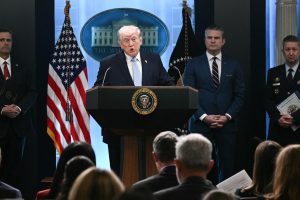
As diplomats work towards de-escalation, Iran openly accused Israel of attempting to derail the fragile process. Foreign Ministry spokesperson Baghaei pointed to recent communications between Israeli Prime Minister Netanyahu and former US President Trump, asserting that the “Zionist entity” is doing its utmost to undermine the agreement.
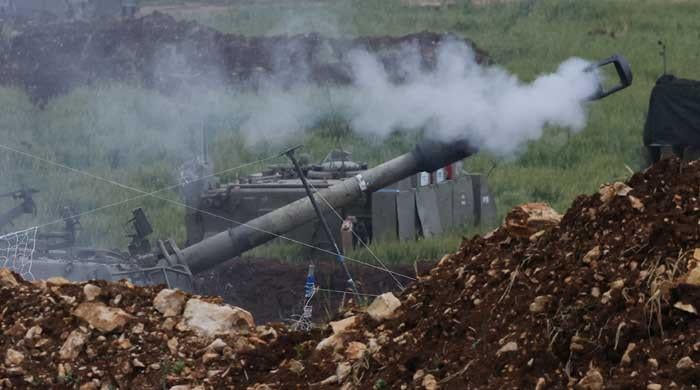
“Nothing is ruled out; however, those countries calling for war and hostilities, the Zionist entity included, are widely felt in the media, and they may have bearing on US officials,” Baghaei warned. This accusation coincided with ongoing Israeli military activity, including drone strikes in southern Lebanon that killed three people and warnings for residents of ten Lebanese villages to evacuate ahead of imminent attacks.
Internal and Regional Pressures
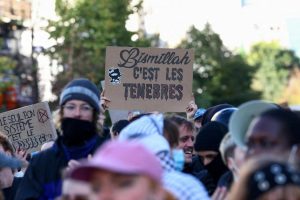
The diplomatic maneuvering unfolds against a backdrop of continued internal and regional strife. Iranian state media reported the execution of a man, identified as Abbas Akbari, for his involvement in nationwide anti-government protests in January. Meanwhile, Lebanese President Joseph Aoun, observing Resistance and Liberation Day, declared that achieving a complete Israeli withdrawal from occupied southern Lebanese villages remains a steadfast national priority to be pursued through negotiation, not surrender.