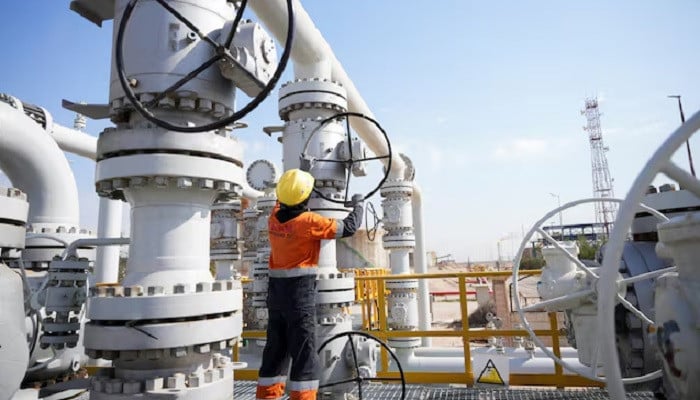
Oil prices cratered on Monday, hitting their lowest levels in two weeks, as financial markets seized on signals that the United States and Iran are inching closer to a peace agreement that could finally reopen the Strait of Hormuz, a critical artery for global energy shipments.
Brent crude futures fell $4.71, or 4.55%, to settle at $98.83 per barrel. US West Texas Intermediate (WTI) dropped $4.57, or 4.73%, to $92.03 a barrel. During the session, both benchmarks touched depths not seen since May 7, as traders bet on a significant easing of geopolitical risk in the Middle East.
A Fragile Optimism Takes Hold
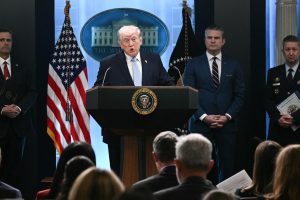
The sharp sell-off was triggered by remarks from US President Donald Trump over the weekend, stating that Washington and Tehran had “largely negotiated” a memorandum of understanding for a peace framework. The deal’s centerpiece for energy markets is the potential reopening of the Strait of Hormuz, which prior to the conflict handled roughly one-fifth of the world’s oil and liquefied natural gas traffic.
However, the optimism remains tempered by diplomatic reality. President Trump cautioned on Sunday that he had instructed his negotiators not to rush into a final agreement, acknowledging that significant sticking points remain between the two adversaries. The US blockade of the strait also remains in effect for now.
“Notwithstanding all the caveats and risks that remain to the peace deal and Strait of Hormuz, there is now some light at the end of the tunnel, which will bring some near-term oil price relief,” said MST Marquee analyst Saul Kavonic.
Markets React, but Caution Lingers
The ripple effects extended beyond commodities. The safe-haven US dollar retreated in early trading, with the euro firming 0.37% to $1.1646 and the Japanese yen strengthening to 158.85 per dollar. Equity futures pointed to a risk-on session, with Nasdaq futures climbing 0.89% and S&P 500 futures advancing 0.6%. Japan’s Nikkei was also poised for a robust open.
Nick Twidale, chief market analyst at ATFX Global, urged caution against unchecked exuberance. “We will need to see an agreement put in place in the coming sessions as we know there are still some major sticking points,” he said. “The market will embrace more risk on Monday but won’t surge higher until there is confirmation that the Strait of Hormuz will reopen.”
The Long Road to Normalcy
Energy analysts warn that even if a peace deal is signed imminently, the path to normalizing global oil flows will be slow. Commonwealth Bank of Australia strategists outlined the critical questions facing markets: “Under what conditions will the Strait re-open and how long will it take to repair production facilities and infrastructure to ramp up production of energy and other goods to pre-war levels?”
Industry experts estimate it could take months to repair damaged oil and gas facilities and fully restore shipping traffic through the strategic waterway, suggesting that while the geopolitical risk premium is deflating, physical supply tightness may persist for some time.