ISLAMABAD: Prime Minister Shehbaz Sharif announced on Friday that the government will substantially reduce petroleum prices, delivering long-awaited relief to millions of households after a historic US-Iran peace deal eased global supply fears. The price cut, to be finalized after a weekly review tonight, marks a sharp reversal from the record highs triggered by the Strait of Hormuz crisis.
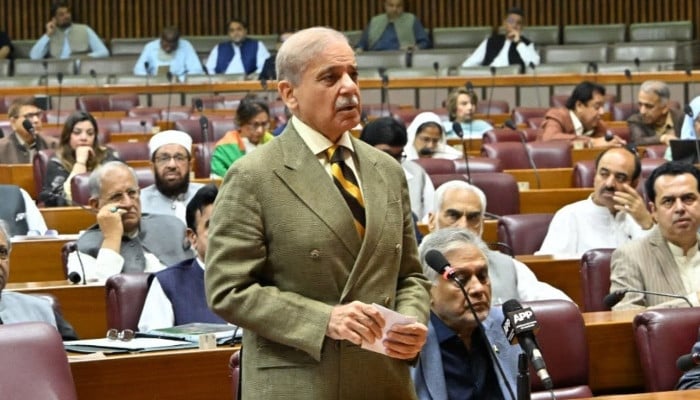
Addressing the National Assembly, the premier framed the decision as the fulfillment of a solemn promise. “We had promised that we would bring the price petroleum products down and repay each penny to the,” he declared. “So today, after our weekly review, we will announce a significant reduction.”
A Promise Kept Amid Crisis Management
The announcement comes as oil tankers resume navigation through the strategically vital Strait of Hormuz, a chokepoint that handles roughly one-fifth of global oil and gas supplies. The reopening follows a peace framework brokered with Pakistan playing a central mediating role. Oil prices retreated further on Friday, brightening supply prospects and allowing the government to pass on savings to consumers.
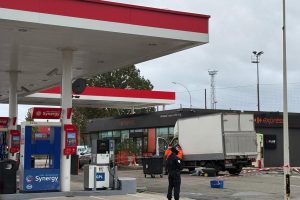
During the peak of the conflict, petrol prices skyrocketed from Rs258.17 per litre to a staggering Rs458.41, while high-speed diesel surged from Rs275.7 to over Rs520 per litre. The prime minister noted that the Centre had already spent around Rs128 billion in targeted subsidies to cushion the blow for the public during the volatile period. He praised his economic team and the chief ministers for their coordinated efforts in managing the crisis and ensuring relief reached those most in need.
Economic Ripple Effects
The fuel price volatility had far-reaching consequences. Petrol is the lifeblood for commuters using small vehicles, rickshaws, and two-wheelers, meaning price swings directly impact the budgets of middle and lower-middle-class families. Diesel, the backbone of the transport and agricultural sectors, is a key inflationary driver, affecting the cost of goods transport, train operations, and farm machinery like tractors and tube wells.
The previous weekly review had already seen modest cuts of Rs4 and Rs2 per litre for petrol and diesel, respectively. Tonight’s expected reduction is poised to be far more aggressive, offering a tangible dividend from the diplomatic breakthrough.
Parliament Hails Historic Mediation
In a parallel development, the National Assembly unanimously adopted a resolution celebrating the cessation of hostilities between the United States and Iran. The resolution, moved by Law Minister Azam Nazeer Tarar, placed on record “immense satisfaction and pride” in Pakistan’s role as a trusted neutral mediator.
The House formally commended Prime Minister Shehbaz Sharif, Deputy Prime Minister Ishaq Dar, Interior Minister Mohsin Naqvi, Field Marshal Asim Munir, and the entire negotiating team for their tireless efforts. The resolution underscored that the conflict had jeopardized regional peace and global energy security, making the diplomatic success a pivotal moment for economic stability worldwide.
Looking Ahead
The government has shifted from a fortnightly to a weekly fuel price review mechanism since the conflict erupted on February 28, a practice that has allowed for more responsive adjustments. With the Strait of Hormuz open and diplomatic channels holding, officials are cautiously optimistic that the era of extreme fuel volatility may be ending.
For ordinary Pakistanis, the impending price cut signals more than just cheaper commutes; it represents a potential cooling of inflation that has squeezed household budgets for months. The formal announcement of the new rates is expected late Friday, with the public and markets alike bracing for the most significant downward revision in over a year.