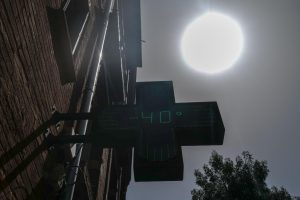
When the mercury refuses to drop below 20°C after sunset, the bedroom transforms from a sanctuary of rest into a crucible of exhaustion. Across France, the second half of June has delivered a punishing string of such nights, amplified by the summer solstice when daylight stretches longest and nocturnal cooling shrinks to a fleeting window.
“At the solstice, minimum temperatures are higher, nights are more difficult, and these nights are shorter. So nighttime cooling is limited, and from the first hours of sunlight, there is a significant heat input,” Météo France noted as it forecast the hottest night of the period on Sunday, June 21. The agency’s maps showed temperatures exceeding 20°C almost everywhere overnight.
What Defines a Tropical Night?
Meteorologists use the term “tropical nights” for any nighttime period when the temperature remains above 20°C. While the phrase may evoke balmy evenings, the physiological reality is far from idyllic. These nights are considered particularly grueling because they prevent the human body from properly recovering.
When the air stays warm, the body’s natural thermoregulation fails. Core temperature cannot drop sufficiently, stress responses activate, and sleep becomes fragmented. In Paris, where nine consecutive tropical nights recently occurred, sleep debt has been compounding—a silent hazard for vulnerable populations.
The Body Under Thermal Siege
The brain sits at the center of this nocturnal struggle. Highly sensitive to heat, it hosts interconnected neurons that regulate both temperature and sleep. When external heat persists, the brain’s “central thermostat” rises, triggering stress systems that disrupt rest.
Climate-ADAPT, the European climate adaptation platform, summarizes the effect bluntly: tropical nights “cause physiological discomfort” and “prevent body temperature from cooling down.” The consequences cascade quickly.
Short-term impacts include fatigue, daytime drowsiness, and a heightened risk of workplace or traffic accidents. Over time, chronic sleep debt can alter metabolism, weaken stress resilience, and increase the likelihood of relapse or entrenchment of mental health conditions.
Dr. François Herrmann, speaking to Swiss media outlet Blick, highlighted another danger: nights that “offer no respite” and “do not allow interiors to cool sufficiently” can make the following days even more hazardous, worsening dehydration risks and cardiac strain.
Makeshift Solutions for Sweltering Nights
As heatwaves intensify, people are turning to creative coping mechanisms—damp sheets, strategically placed fans, open windows, even sleeping on top of the duvet. Social media feeds have filled with a mix of humorous confessions and genuinely useful heat-beating techniques.
Yet these individual fixes are stopgaps against a systemic shift. Météo France projections suggest that by 2050, the northern half of France could experience up to 20 additional tropical nights annually, while Mediterranean regions may face up to 50 more. The trend is locked in by the accumulation of carbon dioxide from fossil fuel combustion, which drives more frequent and intense heatwaves.
Adaptation Beyond Quick Fixes
Experts stress that while personal strategies help, lasting adaptation requires rethinking housing and urban design. Building materials, insulation, green spaces, and ventilation systems must evolve to keep interiors cool without relying solely on energy-intensive air conditioning. Urban planners are already sketching visions of cities reshaped for livability under a hotter climate.
As tropical nights become routine rather than exceptional, the line between discomfort and danger will blur. The challenge is not merely to sleep through the heat but to redesign the environments where sleep happens.