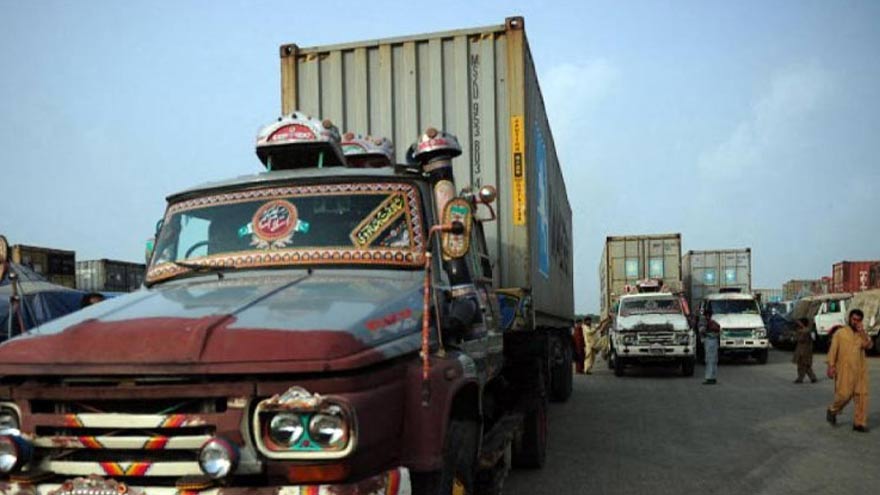
The All Pakistan Goods Transport Alliance has initiated an indefinite nationwide strike starting August 8, a move that threatens to paralyze the country’s supply chain. The drastic action comes as a direct response to the government’s surging fuel prices, the controversial daily pricing mechanism for petroleum products, and the imposition of a new 7% withholding tax on the transport sector.
Negotiations Collapse, Triggering Halt
Malik Shahzad Awan, President of the All Pakistan Goods Transport Alliance, confirmed the strike, stating that previous negotiations with authorities at the commissioner’s office had failed. In a last-ditch effort to resolve the deadlock, the federal government has summoned the transport alliance for a crucial meeting on Monday. A committee has been formed to represent the alliance in these talks.
“The strike will continue until the government meeting concludes and the alliance announces its future course of action,” Awan stated, signaling that the suspension of transport services hinges entirely on the outcome of the upcoming dialogue.
A Trio of Grievances: Fuel, Tax, and Pricing
The protest is fueled by a combination of financial pressures that transporters deem unsustainable. The core demands center on immediate relief from the rising cost of operations:
- Fuel Price Hikes: Immediate relief in petrol and diesel prices.
- Daily Pricing Mechanism: A rollback of the daily determination of petroleum product prices, which creates volatility.
- Withholding Tax: The removal or significant reduction of the newly imposed 7% withholding tax on the transport sector.
Broader Demands from Transport Owners
Echoing the strike call, Owais Chaudhry, President of the All Pakistan Goods Transporters Owners Association, amplified the list of demands. He called for regulatory changes, insisting that 10-wheeler vehicles be legally permitted to carry up to 35 tonnes of weight. Chaudhry also demanded immediate reductions in toll taxes.
Beyond fiscal issues, the association is pushing for legal reforms to address what it describes as unjustified traffic challans, heavy fines, and vehicle confiscation. Additional demands include the streamlined issuance of heavy vehicle driving licences to drivers, aiming to resolve a long-standing administrative bottleneck.