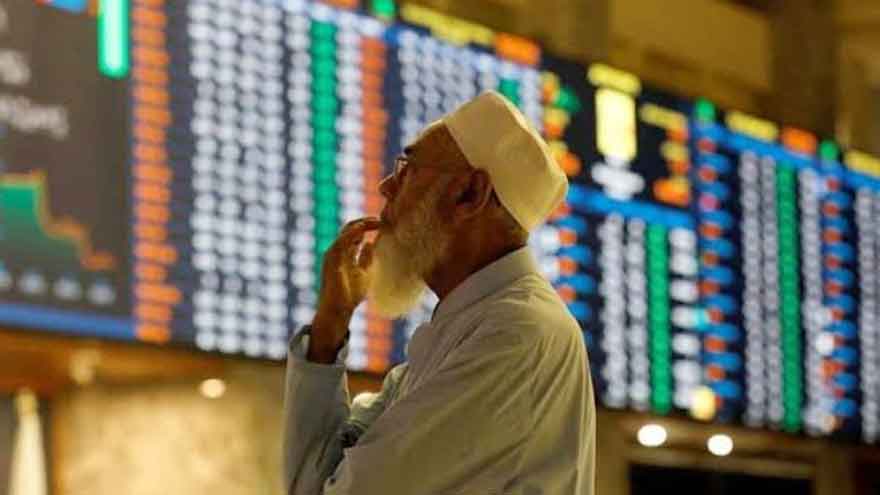
ISLAMABAD – A wave of panic selling gripped the Pakistan Stock Exchange on Tuesday, wiping out over 1,000 points from the benchmark KSE-100 Index within minutes of the opening bell. The sudden plunge underscored the fragile confidence of local investors who are increasingly spooked by geopolitical headwinds and volatile commodity markets.
The index crumbled to 180,076 points in early trading, extending the losses from the previous session where it had already shed 119 points to close at 181,310. The sell-off was broad-based, reflecting a rapid deterioration in market sentiment.
Geopolitical Stalemate Fuels Oil Anxiety
The domestic rout was synchronized with a cautious global mood as oil prices climbed sharply. The spike was directly attributed to an impasse in high-stakes negotiations between United States and Iran, specifically regarding a potential peace deal and the critical reopening of the Strait of Hormuz.
Diplomatic tensions escalated after U.S. President Donald Trump countered Iran’s conditions with aggressive demands for compensation for victims of past conflicts and protests. This rhetorical escalation has complicated efforts to secure the vital waterway, a chokepoint for global crude shipments, injecting a fresh risk premium into energy markets.
Asian Markets Waver on Inflation Uncertainty
The uncertainty radiating from the Gulf overshadowed broader Asian markets, which struggled for direction amid lingering fears over the global inflation outlook. MSCI’s broadest index of Asia-Pacific shares outside Japan oscillated between gains and losses, eventually settling 0.36% higher. South Korea’s KOSPI managed a 1.3% gain, but the overall mood remained fragile.
Futures markets pointed to a tentative start in the West. Nasdaq futures edged 0.34% higher and S&P 500 futures added 0.13%, attempting to stabilize after a negative close on Wall Street. However, European sentiment was mixed, with EUROSTOXX 50 futures flat and FTSE futures dipping 0.05%.
The combination of a stalled diplomatic breakthrough and rising energy costs has created a perfect storm for import-dependent economies, leaving the PSX particularly vulnerable to external shocks as investors brace for further volatility.