ISLAMABAD – Pakistan’s Interior Minister Mohsin Naqvi’s high-profile visit to Tehran is a concerted effort to deepen bilateral relations, address mutual security concerns, and actively promote peace and stability in the region, the Foreign Office confirmed on Wednesday.
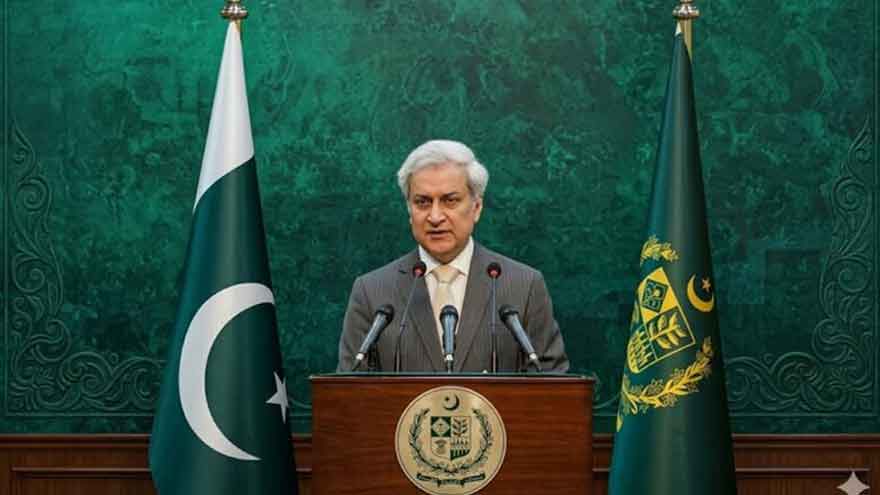
Speaking at a weekly press briefing, Foreign Office spokesperson Tahir Andrabi outlined the strategic objectives of the trip, which commenced on Tuesday. Naqvi has been holding a series of meetings with senior Iranian officials, including his counterpart Eskandar Momeni, Foreign Minister Abbas Araghchi, and President Masoud Pezeshkian.
“The visit provided an opportunity to discuss bilateral relations, security issues and regional developments, with particular emphasis on promoting peace, stability and constructive engagement among countries in the region,” Andrabi stated.
A Dual-Pronged Mission: Security and Mediation
Beyond standard diplomatic engagement, the visit carries a critical mediation component. A diplomatic source in Tehran previously indicated that a key objective was to follow up on the Islamabad Memorandum of Understanding and Pakistan’s delicate mediation efforts between Iran and the United States.
Andrabi confirmed Islamabad’s active role, noting that Pakistan remains engaged with “brotherly states” in sincere efforts to help resolve the crisis. “Pakistan is making every effort to bring Iran and the US back to the negotiating table and to advance the Islamabad MoU as part of efforts to restore peace and stability in the region,” he elaborated.
The spokesperson emphasized that Pakistan would continue to utilize both direct and indirect channels to counter any attempts to undermine dialogue, while steadfastly supporting constructive engagement to resolve outstanding issues.
New Defence Pact Signals Collective Resolve
In a separate but significant development, Andrabi lauded the recently signed trilateral defence agreement between Pakistan, Saudi Arabia, and Turkiye as a landmark achievement. The pact, inked in Makkah last Friday, is designed to strengthen collective deterrence, with a core provision that an attack on one member state will be treated as an attack on all three.
“The pact reflected the three countries’ commitment to strengthening collective security and promoting peace and stability in the region and beyond,” the spokesperson said, describing it as a reflection of their longstanding ties and shared responsibility for regional peace.
Andrabi stressed that the agreement is “purely defensive in nature,” aimed at enabling joint efforts to address threats and security challenges. He reiterated Deputy Prime Minister and Foreign Minister Ishaq Dar’s recent assurance that the pact is not directed against any country.