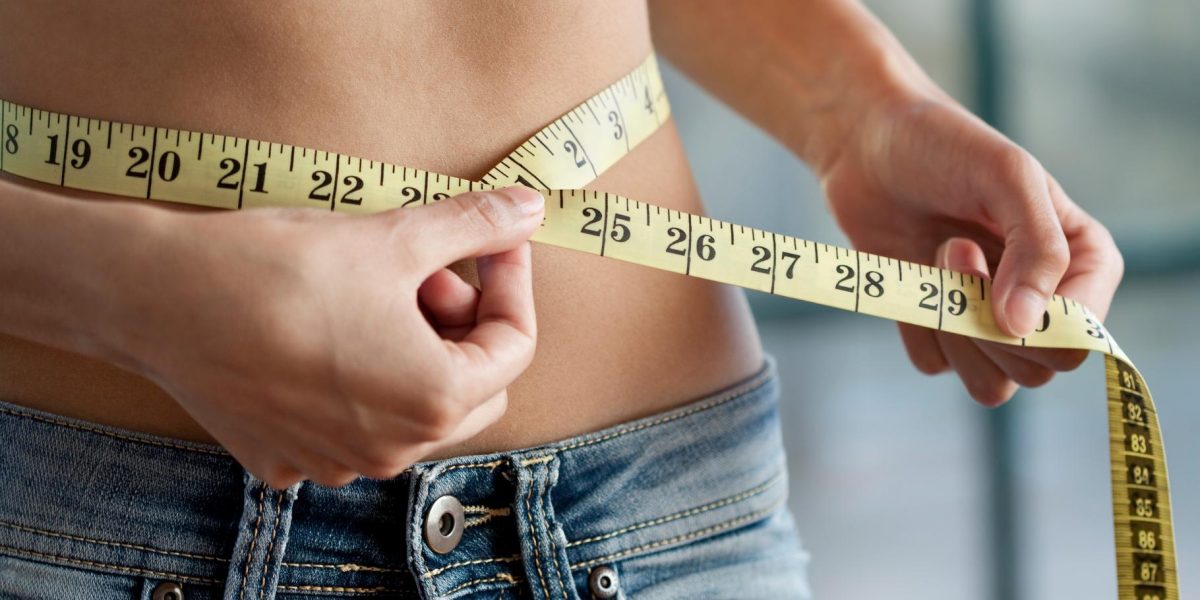
For months, the conversation has been impossible to ignore. Across Hollywood red carpets, celebrity bodies appear thinner than ever. As the body positive movement loses steam and the diabetes drug Ozempic gains cultural traction, a familiar aesthetic is creeping back into the spotlight—one defined by protruding collarbones and sharply visible ribs.
The appearances of Demi Moore, Ariana Grande, and Jenna Ortega have sparked legitimate fears about the glorification of extreme thinness. Yet, the public discourse surrounding their weight loss also feeds into a patriarchal cycle that critiques, humiliates, and ultimately controls women’s bodies. To unpack this complex phenomenon, The HuffPost spoke with Karen Demange, a psychologist specializing in eating disorders.
Ozempic Didn’t Create the Ideal—It Supercharged It
Demange explains that body standards are cyclical, shifting every five to ten years. The curvy Kim Kardashian ideal gave way to the athletic “fit” look, which then morphed into a demand for a “drier,” leaner physique. Now, Ozempic has changed the game entirely.
“The arrival of this medication didn’t create the thin ideal in the United States,” Demange notes. “It burst into a culture that already valued thinness, but it changed the perception of what is attainable. In people who were already fairly thin, taking Ozempic creates a level of emaciation—we’ve moved beyond thinness, or even extreme thinness—that we’re observing right now.”
The drug facilitates rapid weight loss, often accompanied by significant muscle wasting, producing a visually striking transformation that echoes the “heroin chic” aesthetic of 1990s runways.
Is Commenting on Weight Loss Always Body Shaming?
While fluctuating body sizes may raise questions, Demange is unequivocal: pointing out someone’s weight loss is body shaming, plain and simple. “Seeing someone who has lost weight and saying ‘look how thin she’s gotten’ is body shaming, just like commenting on any physical change,” she says.
The core issue, she argues, is that observers rarely know the full story. A person might be struggling with an eating disorder, a medical condition, or simply a difficult life period that has suppressed their appetite. “We don’t know what people are going through,” Demange emphasizes. “Whether they have eating disorders or health problems, whether they’re taking Ozempic for aesthetic reasons or going through a rough patch and lost their appetite.”
Moreover, perceptions of what constitutes a “healthy” weight are deeply subjective. “On every body, there can be 40 different opinions that have nothing to do with the state of health,” she adds.
The Social Media Amplification Effect
The psychological impact of these shifting standards has been dramatically amplified by digital exposure. In the 1990s, people compared themselves to magazine models for perhaps thirty minutes at a time. Today, social media delivers a relentless stream of thin-ideal imagery for two to six hours daily.
“We’re bombarded with images of these thin people, and we question ourselves much more quickly and easily,” Demange explains. “The dissemination of these standards is even more powerful.”
A Rising Tide of Body Dissatisfaction
As a practitioner, Demange has observed a troubling trend: body dissatisfaction is no longer confined to young people. “Before, we said that body dysmorphia and eating disorders were illnesses of the young. Today, it concerns everyone, regardless of age or background,” she reports.
Constant exposure to increasingly thin bodies shifts personal reference points. “My body seemed ‘normal’ to me some time ago; today, it starts to seem fat,” Demange illustrates. This combination of social comparison and body dissatisfaction leads to self-devaluation, which can manifest in problematic behaviors:
- Eliminating certain foods from one’s diet
- Obsessively counting calories
- Weighing oneself with increasing frequency
Demange is careful to note that not everyone exposed to these images will develop a clinical eating disorder. However, the impact is real and pervasive.
The Dangerous Myth of “Easy” Thinness
Perhaps the most insidious effect of these drastic celebrity weight losses is the reinforcement of a toxic belief: that being thin is simply a matter of effort. “These drastic weight losses reinforce the idea that it’s ‘easy’ to be thin in a society that values thinness,” Demange warns. “If you can’t achieve it, it’s because you’re not trying hard enough or you’re poor.”
This mindset fosters judgmental attitudes toward weight gain and obscures the reality of eating disorders and metabolic conditions. For Demange, this social consequence is “very dangerous, even more than the frantic race for thinness itself.”
As Hollywood’s waistlines continue to shrink, the conversation must evolve beyond simple observation or criticism. Understanding the complex psychological and cultural forces at play is essential to fostering a healthier discourse—one that neither glorifies extreme thinness nor shames the individuals caught in its grip.