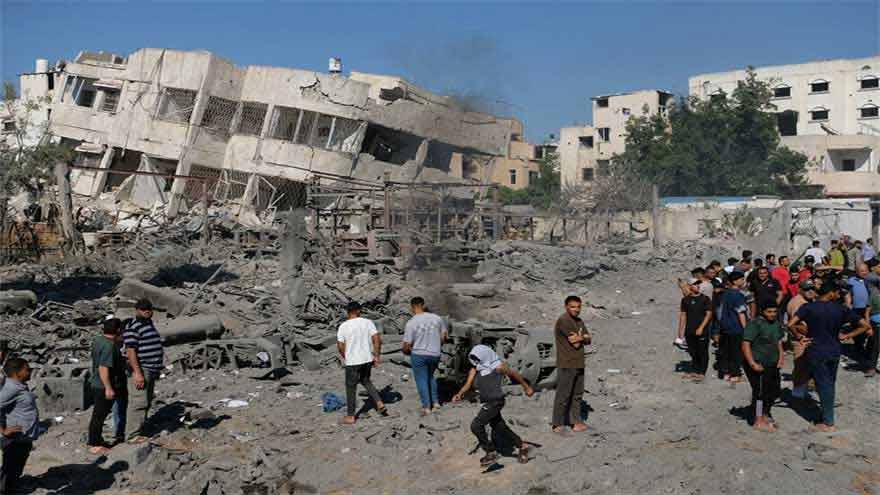
The humanitarian catastrophe in Gaza has reached a grim new threshold, with United Nations officials reporting that 94 percent of the enclave’s population is now without a roof over their heads. The stark assessment, delivered by UN spokesperson Stephane Dujarric, paints a picture of widespread displacement and deprivation that continues to worsen under sustained restrictions on humanitarian access.
Shelter Crisis Leaves Four in Five Households Exposed
According to Dujarric, four out of every five households in Gaza are currently living without adequate shelter. The remaining structures that do provide some form of cover are severely strained, with numerous shelters facing critical shortages of fuel, energy, and essential household items. These deficiencies are not merely inconvenient; they strike at the most basic elements of human dignity and survival.
The UN Office for the Coordination of Humanitarian Affairs (OCHA) has documented that restrictions on humanitarian aid are directly undermining people’s ability to meet fundamental daily needs. Families are struggling to sleep, cook, bathe, eat, and store water. Maintaining adequate lighting and coping with extreme heat and cold have become impossible tasks for many. The cumulative effect is a population pushed to the brink of endurance.
Aid Restrictions Paralyze Recovery and Body Recovery Efforts
Beyond the immediate shelter emergency, Dujarric highlighted how restrictions on the entry of heavy machinery, spare parts, lubricants, and other essential equipment are hampering efforts to clear rubble and recover bodies. This bottleneck has left vast areas of Gaza inaccessible to humanitarian teams, preventing both emergency response and any meaningful start to reconstruction.
The consequences of this paralysis were made tragically clear in a single day’s report. On August 21, the bodies of 50 people—including 19 children—were recovered from rubble and buried. Disturbingly, Dujarric noted that these individuals had been killed more than two years earlier, their remains trapped under debris while families waited in anguish.
Continued Civilian Casualties Amid Ongoing Hostilities
The UN continues to receive reports of Palestinian civilians being killed or injured in Israeli airstrikes, shelling, and gunfire. The relentless nature of the violence compounds the shelter emergency, forcing already displaced families to flee again and again, each time with fewer resources and fewer safe places to go.
The combination of active hostilities, severe restrictions on humanitarian access, and the near-total destruction of housing infrastructure has created a crisis with no apparent exit. For the overwhelming majority of Gaza’s 2.3 million residents, the question is not when they will rebuild their homes, but whether they will survive another night without one.