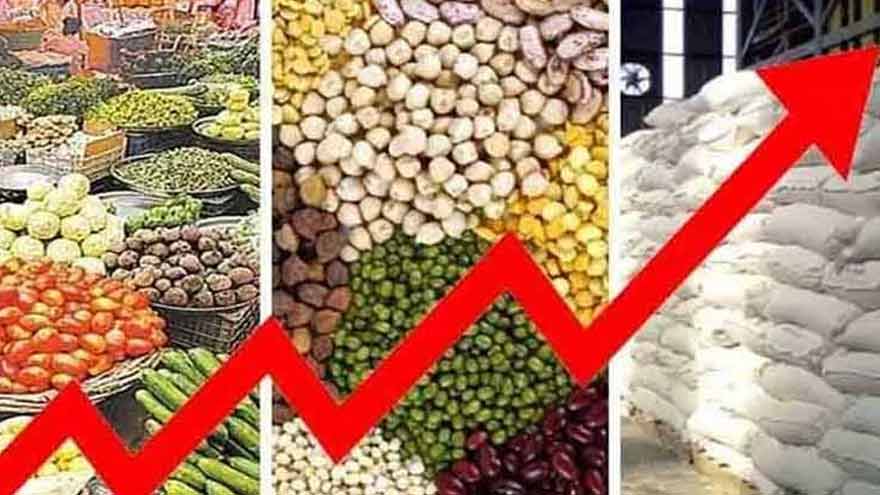
ISLAMABAD – Weekly inflation in Pakistan edged up by 0.49 percent during the latest week, driving the annual inflation rate to 9.66 percent, according to data released by the Pakistan Bureau of Statistics on Wednesday. The rise reflects mounting pressure from higher fuel costs and a sharp increase in prices of key food items.
The PBS report revealed that prices of 23 essential commodities increased during the week under review, while 10 items recorded declines and 18 remained unchanged. The uptick underscores the pass-through effect of recent adjustments in petroleum product prices on household budgets.
Petrol, Onions, and Chicken Lead Price Increases
Petrol prices rose by 3.77 percent week-on-week, marking the most significant energy cost increase captured in the data. Onion prices soared by 14.17 percent, while chicken became 3.35 percent more expensive. Other staples, including gram pulse, garlic, and tea, also saw upward movement.
The surge in onion prices is particularly notable given its role as a core ingredient in Pakistani cuisine, adding pressure on lower- and middle-income households already grappling with elevated food costs.
Some Relief in Diesel, Eggs, and Vegetables
Not all commodities moved higher. Egg prices fell by 5.78 percent, while diesel prices declined by 5.15 percent, offering partial relief to transport and poultry sectors. Tomato prices dropped by 4.99 percent, and potato prices decreased by 1.17 percent.
Additional declines were recorded for sugar, liquefied petroleum gas (LPG), and bananas, providing some counterbalance to the broader inflationary trend.
Inflationary Pressures Persist
The latest weekly data highlights the uneven nature of price movements across Pakistan’s essential goods basket. While some food items eased, the rise in petrol and core cooking ingredients signals that inflationary pressures remain a concern for policymakers and consumers alike.
Economists note that fuel price adjustments often ripple through supply chains, affecting transportation costs and ultimately retail prices for a wide range of goods. The current trajectory suggests that annual inflation may face further upward pressure in the short term if energy prices remain elevated.