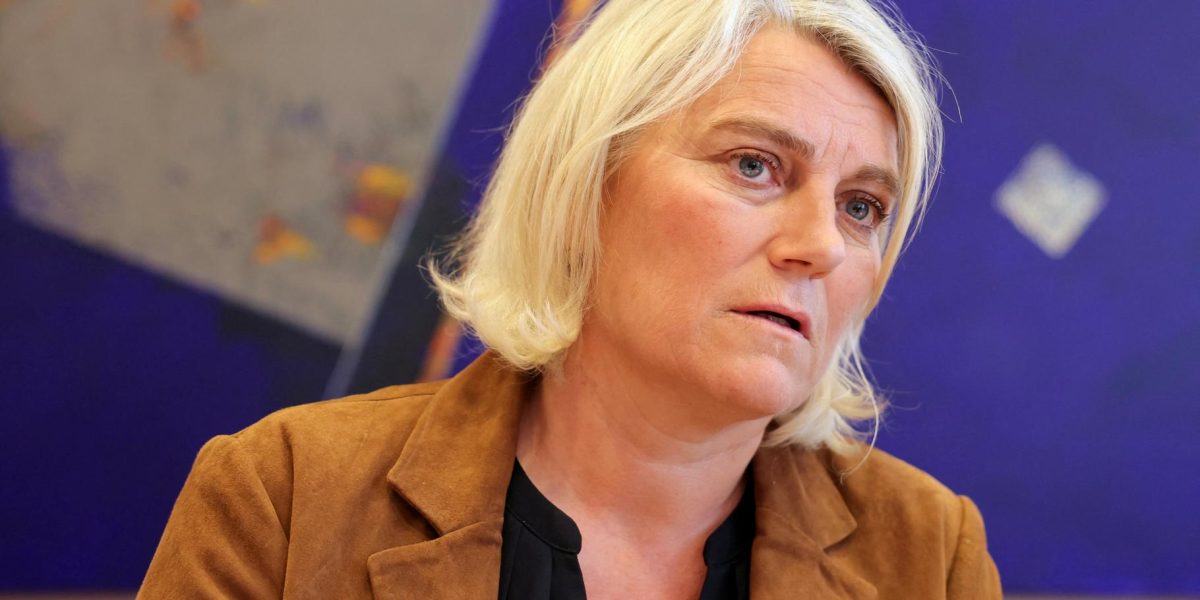
The French government has reversed course on a controversial plan to double the annual cap on medical deductibles, announcing on Thursday, August 20 that it would pursue a more moderate reform based on inflation indexing.
Health Minister Stéphanie Rist confirmed the decision in an interview with Le Figaro, stating that the government had decided to “evolve our proposal” following widespread criticism from patient associations, healthcare professionals, and doctors’ unions.
Initial Plan Sparked Outrage
The original measure, announced nearly a month earlier, would have raised the annual ceiling on medical deductibles from 100 euros to 200 euros. The government had framed the increase as necessary to curb rising healthcare spending.
However, the proposal drew sharp rebukes from France Assos Santé, the country’s main patient federation, as well as the MG France doctors’ union and the Convergence infirmière nursing union. Critics argued the sudden doubling was excessive and would disproportionately burden patients with chronic conditions.
Rist acknowledged the backlash, telling Le Figaro that the measure had appeared “brutal” and that the doubling “was not understood” by the public.
A More Moderate Path Forward
The revised approach will tie any increase to inflation since 2005, resulting in a significantly smaller adjustment than the initially proposed 100% hike. Rist said the new formula would be “fairer and more readable,” adding that “a certain reform now is better than a more hypothetical one tomorrow.”
The minister emphasized that “fair and relevant savings” and efficiency measures remain necessary to preserve France’s collective capacity to provide healthcare. She also noted that a social VAT — a proposal to shift some financing from payroll contributions to consumption taxes — would not alone be sufficient to protect the social protection model.
Budget Pressures Remain
The 2026 Social Security budget projects a 3.1% increase in health spending, equivalent to 8.2 billion euros. Yet early indicators suggest that outpatient care costs are already exceeding forecasts, keeping pressure on the government to identify sustainable savings.
The reversal marks a significant concession from the government, which has sought to rein in health expenditures while facing resistance from stakeholders across the healthcare system.