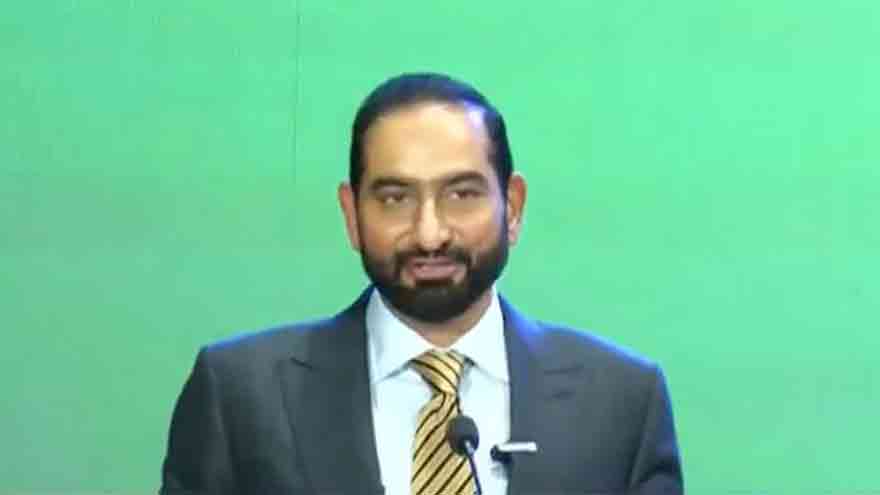
LAHORE – The chairman of Punjab Group of Colleges, Mian Amer Mahmood, has made a forceful case for redrawing Pakistan’s administrative map, arguing that creating new, smaller provinces would reduce government expenditure rather than increase it. Speaking at the launch of an awareness campaign titled “My Province, My System,” Mahmood rejected the widely held belief that more provinces would mean more bureaucracy and higher costs.
He pointed to global trends, noting that countries around the world have expanded their administrative units as populations have grown. “The idea that new provinces would lead to higher costs is incorrect,” Mahmood said. “Administrative units have been expanded in countries everywhere in response to population growth.”
Governance and Regional Equity
Mahmood stressed that better governance becomes essential as populations expand. He praised Chaudhry Abdul Rehman for guiding young people toward constructive political engagement, and noted that mayors and governors worldwide consistently focus on their provinces and governance. This, he argued, highlights the importance of effective, localized administration.
Calling for the creation of smaller provinces across Pakistan, Mahmood said the move could deliver significant economic and administrative benefits, particularly to Balochistan. He proposed that Balochistan could be divided into provinces based on its eight divisions, and argued that the resulting provinces could become among the wealthiest in the country.
“Balochistan would potentially benefit the most from the creation of smaller provinces,” he said, adding that new provinces in Sindh could rank second in terms of economic prosperity. He specifically highlighted the economic potential of Thar, saying the region holds significant resources and promise.
Addressing Inter-Provincial Tensions
Mahmood did not shy away from addressing the friction between Punjab and other provinces. He said Punjab faces widespread criticism across the country and argued that the reasons behind what he described as hostility toward the province needed to be examined. He noted that Punjab contributes billions of rupees to Balochistan every year, yet Punjabis continue to face violence in some parts of the country because of their identity.
He said people in Punjab are ready for the creation of smaller provinces. “We have an opportunity today to take steps to improve our future,” Mahmood said.
Education Crisis and the Need for Local Systems
Turning to education, Mahmood painted a stark picture. Pakistan, he said, has one of the world’s largest populations of children who do not attend school. Among those who do attend, a majority cannot read a fifth-grade textbook. He said there is a need to establish a system of governance better suited to local needs.
“We will bring our own system to our own place,” he said, adding that young people in Pakistan want good governance. Mahmood expressed optimism about the country’s future, saying he remained hopeful that Pakistan would move forward.
US Consul General Highlights Technology and Cooperation
US Consul General in Lahore Stetson Sanders also addressed the event, highlighting the growing use of technology in Pakistan. He said technology is changing people’s lives and creating new opportunities for students and young entrepreneurs. Sanders described See Pakistan as a platform providing students with opportunities to build their futures and develop their potential.
The US diplomat highlighted the use of American technology at the Punjab Safe Cities Authority, saying it is helping improve safety for people in Punjab. He expressed hope that an Apple headquarters office would also be established in Pakistan. Sanders said cooperation between Pakistan and the United States in various fields has continued for more than two decades, with encouraging news for young entrepreneurs through education and exchange initiatives.
Higher Education Remains a National Priority
Higher Education Commission Chairman Professor Dr Niaz Ahmed said rapid changes are taking place in the education sector and higher education should remain a national priority. He said educational institutions have an important role in developing students’ skills and capabilities. Dr Niaz added that Pakistan offers vast opportunities for young people, with a large number receiving scholarships over the past five years. He also highlighted the contribution of Pakistani doctors serving around the world.
Minister of State for Education Wajiha Qamar said Pakistani youth possess immense talent and the country has the ability to overcome challenges. She added that foreign investors are increasingly looking towards Pakistan.