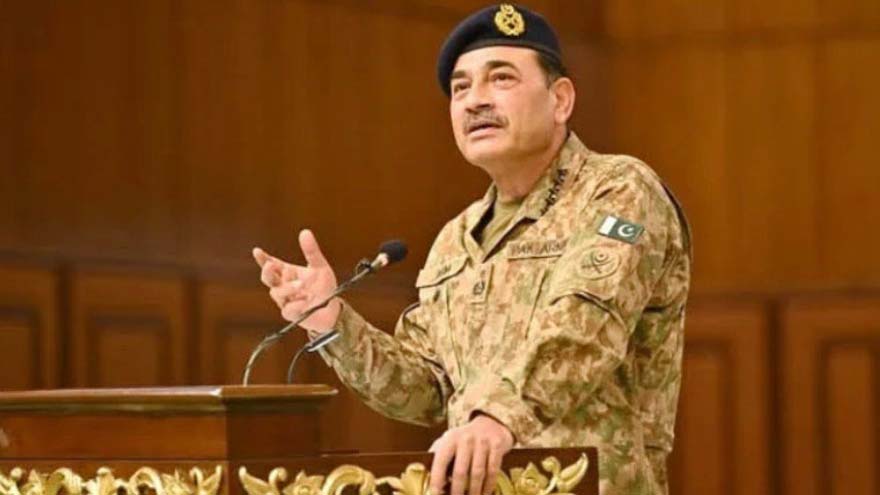
Field Marshal Syed Asim Munir, Pakistan’s Chief of Army Staff, landed in Tehran on Monday for an official visit aimed at reinforcing diplomatic channels and promoting stability across a volatile region. He was accompanied by Interior Minister Mohsin Naqvi, signaling a coordinated civilian-military push for de-escalation.
Iranian Interior Minister Eskandar Momeni received the Pakistani delegation upon arrival, according to Iranian state media. The visit was confirmed earlier by Pakistan’s Inter-Services Public Relations (ISPR), which framed the trip as part of Islamabad’s broader diplomatic campaign to foster peace and security.
High-Level Meetings on Bilateral and Regional Security
During his stay, Field Marshal Munir is scheduled to meet with senior Iranian officials. Discussions will center on bilateral relations, shared border security, and urgent diplomatic efforts to reduce tensions in the Middle East. The Pakistani military chief is also expected to push for a peaceful resolution to ongoing conflicts and explore avenues for advancing regional peace initiatives.
Iranian Foreign Ministry spokesperson Esmaeil Baghaei had previously announced that Munir would lead an official delegation to Tehran. The ministry described the visit as a step toward strengthening cooperation between Iran and Pakistan while supporting efforts to enhance peace and security in the region.
Pakistan’s Consistent Call for Dialogue
Islamabad has long advocated for dialogue and diplomacy as the primary tools for resolving disputes. The Foreign Office reiterated that Pakistan will continue to use both direct and indirect channels to support constructive dialogue and prevent further escalation.
The timing of the visit is particularly significant. Peace negotiations between the United States and Iran have stalled, and Pakistan has previously hosted high-level diplomatic engagements involving both sides. Islamabad has maintained its readiness to use its diplomatic leverage to facilitate talks and help resolve outstanding issues.
Third Visit to Iran This Year
This marks Field Marshal Munir’s third trip to Iran in 2026, underscoring the importance Pakistan places on maintaining open lines of communication with Tehran amid a deepening regional crisis. The frequency of these visits reflects a deliberate strategy to avoid miscalculation and keep diplomatic options alive.
Pakistan’s engagement with Iran extends beyond bilateral matters. As a neighbor with deep historical and cultural ties, Islamabad views stability in Iran as critical to its own security. The army chief’s visit is therefore not merely symbolic but a practical effort to coordinate on issues ranging from border management to broader geopolitical flashpoints.
Regional Implications
Analysts note that Pakistan’s active diplomacy could serve as a bridge between conflicting parties. While Islamabad has no formal mediation role in the US-Iran standoff, its geographic position and relationships with multiple stakeholders give it unique access. The current visit may test whether that access can translate into tangible de-escalation.
For now, the focus remains on high-level consultations in Tehran. The outcomes of these meetings could shape Pakistan’s next steps in a region where alliances are shifting and the risk of conflict remains high.