ISLAMABAD – Pakistan and Iran have reported “significant progress” in diplomatic talks aimed at de-escalating the US-Iran conflict and charting a path toward lasting peace in the Middle East, according to a statement from Pakistan’s Interior Minister Mohsin Naqvi on Tuesday.
Naqvi, who accompanied Chief of Army Staff and Chief of Defence Forces Field Marshal Asim Munir on a day-long visit to Tehran, described the meetings with Iranian leadership as “very positive and productive.”
High-Level Meetings Focus on De-escalation and the Islamabad MoU
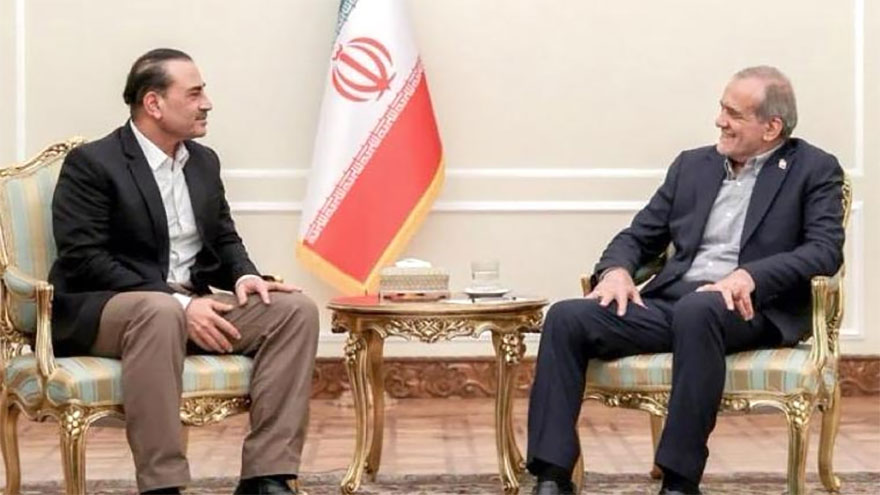
The Pakistani delegation held a series of high-level meetings in Tehran, including with Iranian President Masoud Pezeshkian, Supreme Leader’s representative on the Supreme National Security Council Mohsen Rezaei, Parliament Speaker Mohammad Bagher Ghalibaf, Foreign Minister Abbas Araghchi, and Interior Minister Eskandar Momeni.
“Our discussion focused on the Iran US conflict, tensions in the Middle East and the way forward, as well as the steps needed by both sides for restoration of the Islamabad MoU thereby leading to comprehensive settlement of the conflict,” Naqvi said in a social media post.
The Islamabad MoU, a framework agreement brokered by Pakistan, is viewed as a key mechanism for dialogue and peaceful resolution of outstanding issues between Iran and the United States.
Iranian Leadership Acknowledges Pakistan’s Mediation Role
According to Pakistan’s Inter-Services Public Relations (ISPR), the Iranian leadership “appreciated Pakistan’s constructive role and sincere efforts to facilitate dialogue, de-escalation and a peaceful resolution of the conflict.”
The military’s media wing stated that discussions also covered regional peace and possible pathways to a negotiated settlement, with a specific focus on preventing further escalation and reopening the Strait of Hormuz – a critical global oil chokepoint.
- Preventing further military escalation between Iran and the United States
- Reopening the Strait of Hormuz to ensure global energy security
- Restoring the Islamabad MoU as a framework for comprehensive settlement
- Addressing regional stability and pathways to lasting peace
Visit Comes Amid Heightened Regional Tensions
The diplomatic mission comes at a critical juncture, with Tehran threatening a military response to planned US sanctions that could further strain its already troubled economy. The visit underscores Pakistan’s growing role as a regional mediator in one of the world’s most volatile geopolitical flashpoints.
“Significant progress was made, and the meeting concluded on a highly positive note,” Naqvi said. “We remain hopeful that this momentum will help pave the way for further progress and lasting peace in the region.”
Pakistan has consistently emphasized its commitment to supporting peaceful efforts to resolve the ongoing conflict, positioning itself as a bridge between Tehran and Washington amid a prolonged diplomatic deadlock.
The Pakistani delegation has since returned to Islamabad, with officials indicating that follow-up discussions are expected to build on the momentum generated during the Tehran visit.