Russia is preparing to launch serial production of a new, low-cost cruise missile known as the Dan-T by 2027, according to Ukrainian government platform United 24. Military analysts estimate Moscow aims to manufacture approximately 10,000 of these advanced missiles next year for potential strikes against Ukraine.
The development has raised alarm among defense experts, who warn that the Dan-T’s affordability and difficulty to intercept could pose significant challenges for Ukrainian air defenses. Dmytro Putiata, a Ukrainian military veteran, cautioned that the missiles are “cheap and difficult to intercept,” predicting “a very large number of problems” if production proceeds as planned.
A Cheaper Successor to the Banderol
The Dan-T is designed to gradually replace the Banderol system, which Russia has used extensively to saturate and exhaust Kyiv’s anti-aircraft defenses. The shift is driven primarily by cost reduction: the Dan-T is approximately 35% cheaper to produce than its predecessor while maintaining comparable effectiveness.
According to specifications reported by analysts, the Dan-T will have a range of 500 kilometers and carry a 135-kilogram warhead—similar to the S8000 Banderol. It is intended to target armored vehicles, fortified field positions, and light infrastructure.
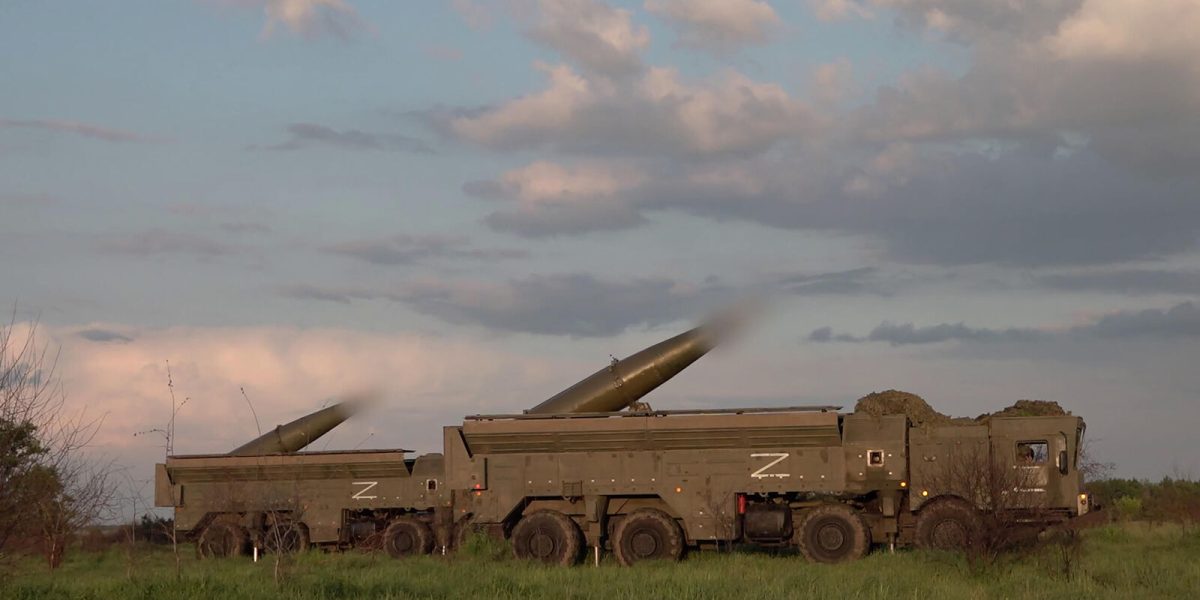
The missile can be launched from both ground-based platforms mounted on wheeled truck chassis and aerial platforms, including Su-30SM, Su-34, and Su-57 fighter jets, as well as Mi-28 helicopters.
Upgrades and Unanswered Questions
Work is reportedly underway to equip the Dan-T with a Kometa-16 antenna network and an electro-optical terminal guidance system, incorporating the latest available technologies. However, the Russian government has not issued any official comment on the missile program or its production timeline.
The potential mass deployment of Dan-T missiles aligns with Russia’s broader strategy of overwhelming Ukrainian air defenses through volume and cost efficiency. If the reported production figures are accurate, the new system could significantly alter the dynamics of long-range strikes in the ongoing conflict.