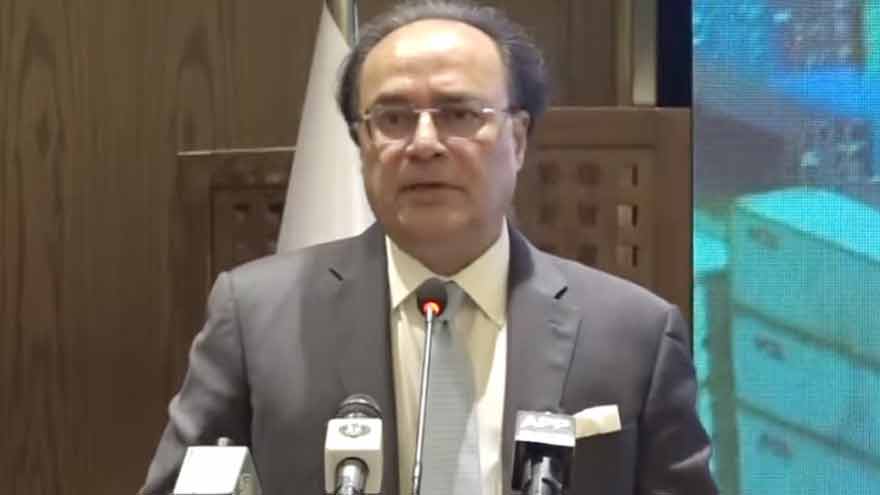
ISLAMABAD – Pakistan is fundamentally reorienting its economic strategy away from dependence on external assistance and toward trade, investment, and private-sector expansion, Finance Minister Muhammad Aurangzeb said on Wednesday.
Speaking at a ceremony in the federal capital, Aurangzeb outlined a vision for sustainable economic growth built on export competitiveness, productivity gains, and closer collaboration between the government and business community.
Private Sector at the Center of Growth Strategy
The finance minister stressed that cooperation between the public and private sectors was essential for long-term economic development. He said the growth process was intrinsically linked to promoting investment and business activities across the country.
“Pakistan’s economy is being moved from aid towards trade and investment,” Aurangzeb said, adding that the government was taking concrete steps to ensure sustainable development alongside economic stability.
Exports, Investment, and Productivity as Core Priorities
Aurangzeb identified three key pillars of the government’s economic agenda:
- Increasing national exports
- Attracting domestic and foreign investment
- Boosting productivity across key sectors
He highlighted export finance as a critical tool for promoting Pakistani goods in international markets. Creating a conducive environment for business and investment, he added, remained a top government priority.
Job Creation Through Private-Sector Growth
The minister said private-sector expansion would generate new employment opportunities, particularly for the country’s young and growing workforce. He linked this directly to the broader shift from aid dependency toward self-sustaining economic activity.
Aurangzeb also called for expanded cooperation with international financial institutions and the business community. He stressed that joint efforts were necessary to ensure the benefits of economic development reached ordinary citizens.
The remarks come as Pakistan continues to navigate a challenging economic recovery, with policymakers increasingly focused on structural reforms aimed at reducing reliance on external borrowing and fostering indigenous growth drivers.