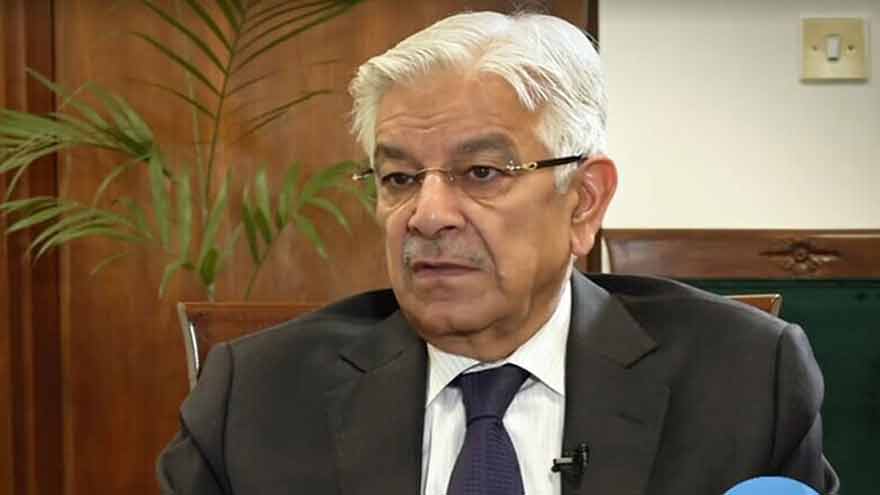
ISLAMABAD – Defence Minister Khawaja Asif has launched a sharp critique of Pakistan’s civil service, declaring that the bureaucracy is the only segment of the country’s ruling elite that has consistently evaded accountability and legal scrutiny.
In a series of statements posted on his official X account, Asif argued that while politicians, military figures, and business leaders have all faced consequences—justly or unjustly—for corruption or misrule, the administrative machinery has remained insulated from similar treatment.
A History of Bureaucratic Rule
Asif highlighted a historical pattern that he believes most Pakistanis overlook: bureaucrats have not only served governments but have also directly ruled the country. He pointed to several former heads of state and government who rose from the civil service.
- Ghulam Muhammad, former Governor-General, was a career bureaucrat.
- Muhammad Ali, former Prime Minister, also came from the bureaucracy.
- Iskander Mirza and Ghulam Ishaq Khan, both former Presidents, had bureaucratic backgrounds.
“Pakistanis hardly realize that we have had rulers who were bureaucrats,” Asif wrote. He noted that these individuals governed during periods when political leaders ostensibly held power, underscoring the deep-rooted influence of the administrative class.
Politicians Blamed for Empowering Bureaucracy
The defence minister did not place the blame solely on the bureaucracy itself. Instead, he pointed to the failures of Pakistan’s political class as the primary reason for the civil service’s unchecked authority.
“The incompetence and mutual differences of politicians have created space for the bureaucracy,” Asif stated. He argued that internal divisions and weak governance among elected representatives have allowed bureaucrats to consolidate power and operate beyond effective oversight.
A Call for Self-Correction
Asif suggested that meaningful reform must begin with politicians themselves. He asserted that if political leaders corrected their own behaviour and worked cohesively, accountability would naturally extend to the bureaucracy.
“If politicians corrected themselves, reform and accountability would automatically emerge within the bureaucracy as well,” he concluded.
The remarks come amid ongoing debates in Pakistan over civil service reform, with critics long arguing that the country’s powerful bureaucracy has hindered democratic governance and economic progress. Asif’s comments add a high-profile voice to calls for greater transparency and responsibility within state institutions.