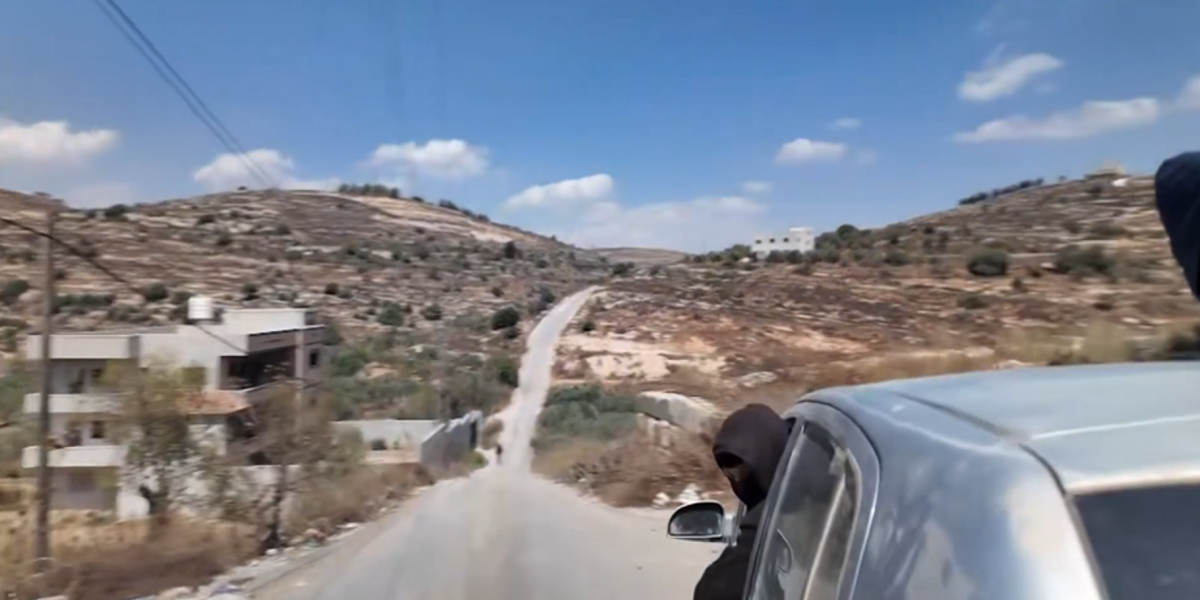
A reporting assignment in the West Bank turned violent on Saturday, August 29, when masked Israeli settlers attacked an NBC News crew and a Palestinian woman they were interviewing. The incident occurred in the village of Jalud, amid a sharp escalation in settler violence that has drawn rare criticism from Israeli Prime Minister Benjamin Netanyahu.
NBC News correspondent Matt Bradley described the assault on social media platform X, stating that he and his team were targeted by “a group of masked settlers.” The attackers, he said, “beat our team and struck the 51-year-old woman we were interviewing until she lost consciousness.”
Details of the Attack in Jalud
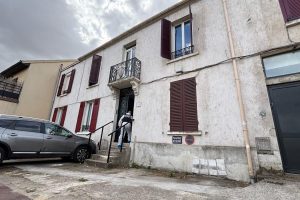
Bradley, who has covered illegal settlement activity in the West Bank for years, recounted the sequence of events on air. He and his crew—including a cameraman, a producer, and drivers—had traveled to Jalud to meet Aida Ahmed Abdallah, a Palestinian woman whose home is regularly surrounded by Israeli settlers occupying the area.
As the journalists approached Abdallah’s residence, masked young men in an Israeli-registered vehicle armed with clubs and stones rushed to the scene. “They smashed our car’s windshield, struck our team with batons, and beat Aida until she lost consciousness,” Bradley reported. He sustained two blows to his arm, but said the entire crew has since recovered.
An ambulance transported Abdallah to a hospital. While she was later discharged, she could not return home because “her house is still occupied by these violent settlers,” Bradley noted.
A Pattern of Attacks on Journalists
The assault on the NBC News team follows a similar incident just three days earlier. On August 26, three journalists from Agence France-Presse (AFP) were attacked by Israeli settlers while covering tensions with Palestinians in the southern West Bank. Like the NBC crew, they were pelted with stones and their vehicles were damaged. The Israeli army said a police investigation had been opened.
These attacks on media personnel underscore the increasingly hostile environment for journalists documenting the situation in the occupied territory.
Rare Condemnation from Netanyahu
The violence in Jalud came one day after the siege of the village of Qusra in the northern West Bank. Since early August, settlers have blocked access to Qusra, besieging Palestinian residents and prompting national and international condemnation. On Saturday, a group of Palestinians working on a house in the village was surrounded by settlers who threw stones at them.
These events led Netanyahu to issue a rare rebuke of settler actions. “I strongly condemn the criminal acts of violence committed in the villages of Qusra and Jalud by a handful of rioters who break the law, cause great harm to the law-abiding Jewish community, hinder the IDF’s ability to carry out its missions, and damage Israel’s position in the world,” he wrote in a statement. The Israeli Foreign Ministry also called the violence “shameful.”
Escalating Settler Violence Since October 7
Settlement expansion in the West Bank has continued under every Israeli government since 1967, but has accelerated markedly since the far-right entered Netanyahu’s governing coalition in late 2022. More than 500,000 Israelis now live in settlements across the West Bank, which are illegal under international law, alongside approximately three million Palestinians.
Violence committed by settlers has intensified since the unprecedented Hamas attack on October 7, 2023. Incidents include physical assaults, harassment, and intimidation, yet they rarely lead to legal prosecution. The attack on the NBC News crew is one of many such incidents in what Bradley described as “an unprecedented surge in settler violence in the West Bank.”
International pressure has mounted in response. France and three other countries recently urged Israel to halt settlement expansion, while even the U.S. ambassador to Israel, Mike Huckabee, denounced the “siege” of Palestinian homes in the West Bank.
The situation remains volatile as Palestinians in villages like Jalud and Qusra face ongoing threats from settlers, and journalists risk their safety to document the reality on the ground.