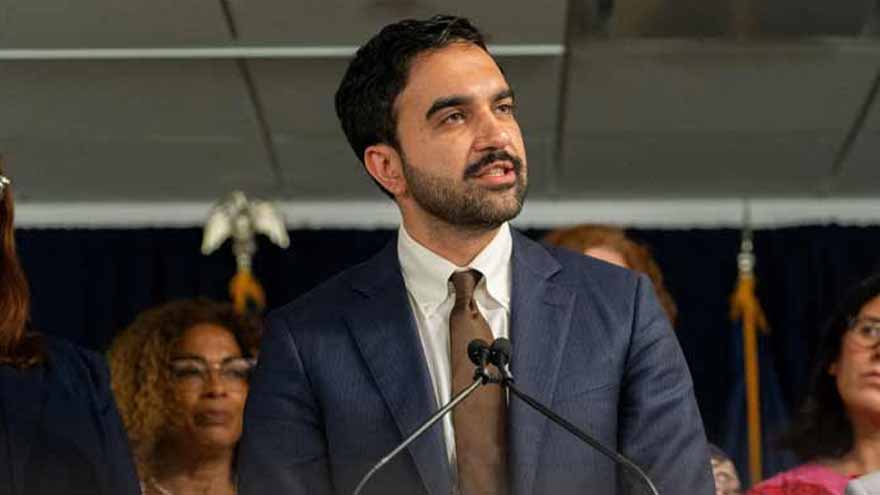
New York City officials have announced a sweeping one-year moratorium on the use of artificial intelligence by students in public elementary and middle schools, marking the most restrictive classroom AI policy in the United States to date. The decision, unveiled Wednesday, will directly affect roughly 600,000 students through eighth grade across the nation’s largest school district.
Mayor Zohran Mamdani framed the move as a defense of human-centered education. “Children need teachers and human connection in order to learn and grow,” Mamdani told reporters. “They need to develop skills alongside their peers, build relationships with educators and wrestle with tough problems on their own.”
Scope of the Ban and Exceptions
Under the new policy, the city will immediately halt the use of approximately 40 educational AI tools currently deployed in elementary and middle school classrooms. High school students, however, will retain limited access to AI in certain approved scenarios. Teachers across all grade levels will still be permitted to use AI for backend tasks such as lesson planning and scheduling, according to a city statement.
The move comes amid a broader national reckoning over how to integrate generative AI into education without undermining learning. Other major districts, including Los Angeles, have said they are reviewing their own AI policies, but none have yet matched New York’s blanket restriction for younger students.
From Temporary Ban to Full Moratorium
New York City public schools have a history of cautious engagement with AI. Shortly after ChatGPT launched in 2022, the district imposed a temporary ban on the chatbot. That restriction was later lifted and replaced by a custom AI-powered teaching assistant developed with Microsoft, a major investor in ChatGPT-maker OpenAI.
The new moratorium signals a sharp reversal of that trajectory. Major AI developers, including Google, Anthropic, and Microsoft, did not immediately respond to requests for comment on the policy shift.
National Implications
Education technology analysts say New York’s decision could embolden other large districts to adopt similar freezes. The one-year window is designed to give officials time to study the academic and social effects of AI on young learners before crafting permanent rules.
“This is not a rejection of technology,” a city education spokesperson said in a statement. “This is a pause to ensure we get it right for children whose cognitive and social development depends on direct human interaction.”