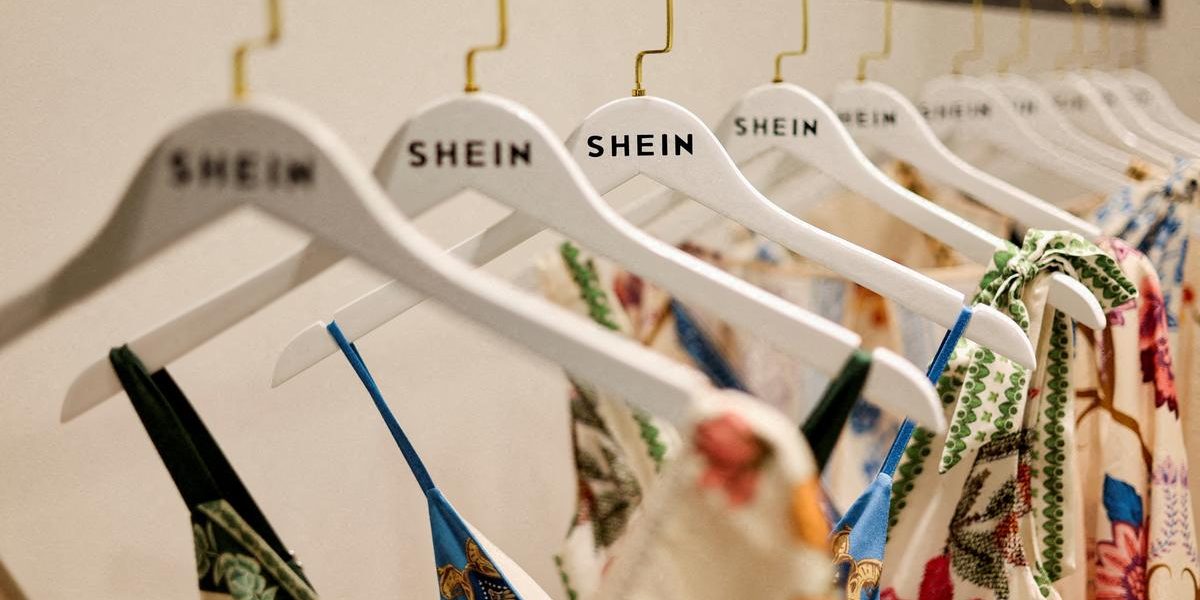
China issued a stark warning to France on Thursday, threatening countermeasures unless Paris immediately repeals a new penalty on ultra fast fashion garments that took effect this week, a move squarely aimed at Chinese-founded e-commerce giant Shein.
“If France persists in this direction, China will take necessary measures to protect the legitimate rights and interests of Chinese enterprises,” said Huang Ling, a spokesperson for China’s Ministry of Commerce, during a regular press briefing. “France will bear full responsibility for all consequences that may arise.”
Escalating Trade Tensions Over Environmental Levy
The French measure, which entered into force on Tuesday, imposes penalties of up to 19.50 euros per item by 2030, capped at 50 percent of the pre-tax price. It is part of a broader law against fast fashion adopted by the French Parliament in late June, with additional provisions slated to take effect later.
France justifies the levy by citing the environmental and economic impact of ultra-fast fashion, a business model characterized by extremely rapid production cycles and low-cost, high-volume sales. Shein, founded in China and now headquartered in Singapore, has become the global emblem of this sector.
Huang denounced the French law as “harmful to trade and manifestly discriminatory.” She stated that France had disregarded China’s prior objections, “causing significant operational losses for the Chinese companies concerned.”
Shein in the Crosshairs of Global Regulators
The dispute highlights growing regulatory scrutiny of Shein and similar platforms. Shein has faced criticism over its environmental footprint, labor practices, and aggressive pricing strategies that undercut traditional retailers. The company has sought to improve its image through sustainability pledges and executive appearances at global forums like Davos.
France’s law is among the first national legislative efforts to directly penalize ultra fast fashion. It aims to level the playing field for domestic and European apparel brands that have struggled to compete with Shein’s rock-bottom prices and rapid inventory turnover.
Potential Consequences for Consumers and Trade
If China follows through on countermeasures, European consumers could face higher prices or restricted access to Chinese-made goods. France is a major market for Chinese textiles, and any retaliation could ripple through supply chains already strained by geopolitical tensions.
Legal experts note that France’s penalty could also face challenges under World Trade Organization rules, which prohibit discriminatory treatment of foreign products. Beijing has not yet specified what form its countermeasures might take, but past trade disputes have included tariffs on agricultural products, luxury goods, and industrial components.
For now, the French government has shown no sign of backing down. The law was passed with broad parliamentary support and is framed as a necessary step to curb the environmental damage caused by disposable fashion. As the standoff escalates, both sides appear entrenched, setting the stage for a prolonged trade conflict.