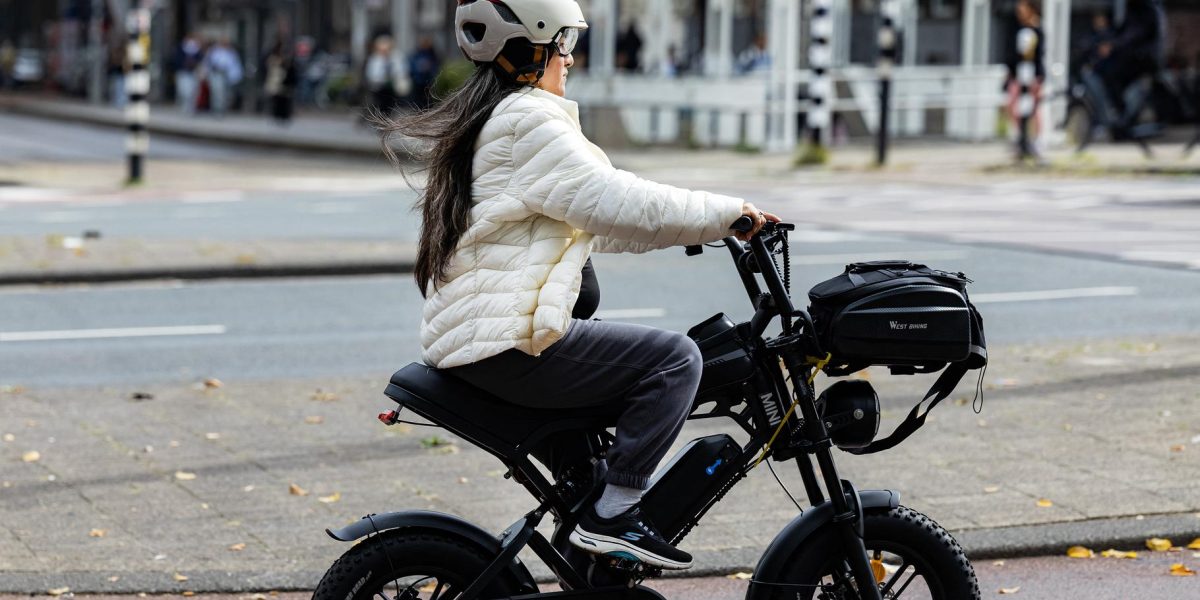
Once confined to beaches and mountain trails, fatbikes—electric bicycles fitted with oversized tires—are now a common sight in city centers across France. Their rise has brought both practical benefits and growing tensions among road users.
A Practical Alternative for Urban Commuters
The distinctive silhouette and wide tires of fatbikes offer stability and comfort that appeal to a broad range of users. Yann Bouder, who has sold his own Bicloo brand since 2018 in Perros-Guirec, Brittany, describes them as “a real means of transport.”
The profile of buyers varies widely. Some use fatbikes for leisure, while others rely on them as a replacement for motorized vehicles. “It can save people who have lost their driving license,” Bouder told HuffPost. In areas where hills are ubiquitous, electric assistance is essential and allows riders to “cover the entire coastline.”
Mohamad Farawate, who opened the Vitesse éco shop in Poitiers in early 2026, has observed similar trends. “With rising fuel prices, some customers have put their cars in the garage and started using a fatbike,” he said. Battery range now reaches up to 100 kilometers, and Farawate himself commutes roughly 40 kilometers each morning from Châtellerault to open his store.
Cool Factor and Cost Savings
Beyond practicality, fatbikes carry a cooler image than traditional e-bikes. Frédéric Le Tiec, founder of Sun Rider 85 in Les Sables-d’Olonne, notes that for the 25-35 age group, “the fatbike is replacing the scooter, which is gradually disappearing from our landscape.”
Cost is another major draw. Unlike a motorized two-wheeler, a fatbike requires no helmet or insurance, and purchase prices range from 800 to 1,000 euros for imported models—significantly less than the 1,500 to 2,000 euros for a scooter. Maintenance is minimal, and with a simple push system, “if the customer is careful, the repairman doesn’t see them often,” Bouder added.
The Tampering Problem
Despite these advantages, the main criticism leveled at fatbikes is how easily they can be modified to exceed the regulatory 25 km/h speed limit for all electric bicycles, creating risks for pedestrians and other cyclists.
“Almost all of them can be tampered with using videos from the internet,” Dan Szenik, co-manager of Paris-based Cyclobike, recently told Le Monde. His shop claims to sell only approved, non-tamperable models.
Earlier this year, the Union des entreprises Sport & cycle raised alarm after analyzing 125 e-bike models: “96% of fatbikes sold in France are non-compliant,” the professional federation warned.
In July, the Fédération des usagers de la bicyclette (FUB) echoed those concerns, stating that “all signals are red regarding the development of these illegal bikes, which degrade good coexistence between users in public spaces and raise real concerns about the future of cycling.”
Sellers Push Back
Vendors contacted by HuffPost insist that only a marginal share of customers inquire about tampering. “95% of my customers just want the bike to help them climb hills, to be comfortable without hassle. They don’t want to go over 25 km/h!” Bouder said.
While fatbikes remain a minority within the e-bike market, some observers suggest the backlash may stem from more than just speed. In an article for the Dutch weekly Knack about fatbikes in Amsterdam, Dutch-Moroccan author Abdelkader Benali argued that “hatred toward fatbikes hides a degree of racism.” He described them as “the preferred means of transport for multicultural youth.”
In France, the fact that some fatbikes are used by food delivery workers—often immigrants with precarious working conditions and incomes—may also contribute to their poor reputation.
Calls for Stricter Regulation
Many voices are calling for better oversight of fatbikes. David Belliard, mayor of Paris’s 11th arrondissement and former deputy for transport under Anne Hidalgo, told Le Monde: “Otherwise, they will become a pretext for stigmatizing cyclists. The state must do its job—make it harder to buy easily tamperable devices, control the compliance of those on the road, and sanction illegal bikes.”
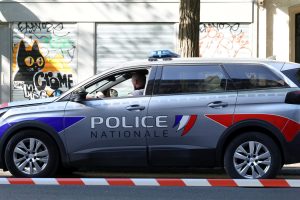
In several cities, enforcement operations are increasing. In Paris and its inner suburbs, the police prefecture organizes an average of one check per day, immobilizing non-approved or tampered bikes, according to franceinfo.
For Farawate, the criticism is unjustified. “With fatbikes, it’s just the name that makes the difference. Otherwise, it’s exactly like an electric bike.”