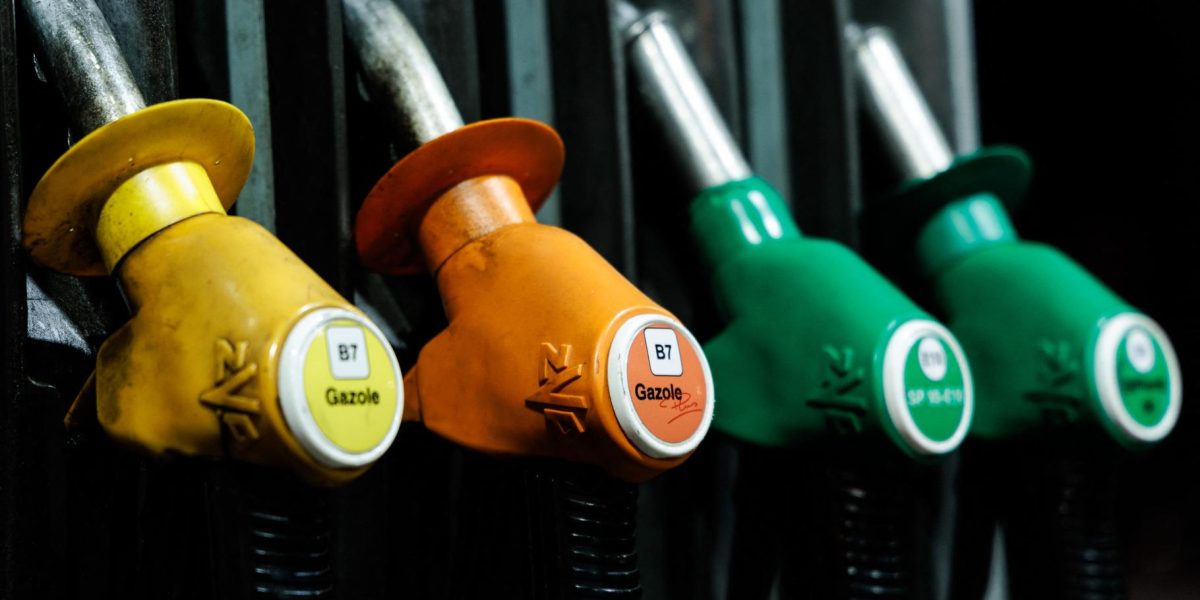
Fuel prices in France climbed to unprecedented levels on Friday, with the average cost of a litre of diesel surpassing 2.39 euros — the highest ever recorded since the outbreak of war in Iran.
Diesel Breaks April Record
The new national average, logged on Friday, September 18, edges past the previous record of 2.38 euros per litre set in April. The surge has been driven by mounting instability in the Middle East and its knock-on effects on global energy markets.
The pain is being felt acutely at the pump. In more than 700 service stations across the country, diesel is now being sold at over 2.50 euros per litre, while 70 stations are charging more than 2.70 euros.
SP95-E10, the most widely sold petrol in France, also reached an unprecedented level on Friday morning, priced at 2.17 euros per litre.
These average figures are calculated from prices displayed at more than 9,000 service stations nationwide and compiled on the Economy Ministry’s Prix-carburants.gouv.fr website.
Political Pressure Mounts at the Élysée
The spiralling costs have provoked widespread frustration among both professionals and ordinary motorists, and the issue is set to dominate discussions at the Élysée Palace on Friday. President Emmanuel Macron is receiving party leaders and presidential candidates for a meeting dedicated to the “rapid deterioration” of the international situation and its “consequences for France in terms of security and energy.”
Government Extends Aid for Heavy Drivers
Confronted with growing public anger, Trade Minister Serge Papin announced on Friday morning that the “heavy drivers” subsidy — initially scheduled to expire on September 30 — will not end on that date.
The aid currently stands at 100 euros and is reserved for workers below a certain income threshold who travel more than 15 kilometres per journey between home and work, or more than 8,000 kilometres a year as part of their professional activity.
“We are meeting on Monday around the Prime Minister to extend the aid” and to consider how the scheme should be adapted, Papin said, noting that 1.5 million French people have so far made use of it.
Prime Minister Sébastien Lecornu had already announced on Wednesday that targeted support for the economic sectors hardest hit by rising fuel costs — fishing, agriculture and construction — would be extended until December 31.
Government Rejects Broad Price Caps
Beyond targeted measures, the government remains “opposed” to the more sweeping interventions demanded by some opposition parties, notably a cap on pump prices.
The debate over how far the state should go in shielding consumers from global energy shocks is likely to intensify in the coming days, as the conflict in the Middle East shows no sign of easing and households brace for further increases.