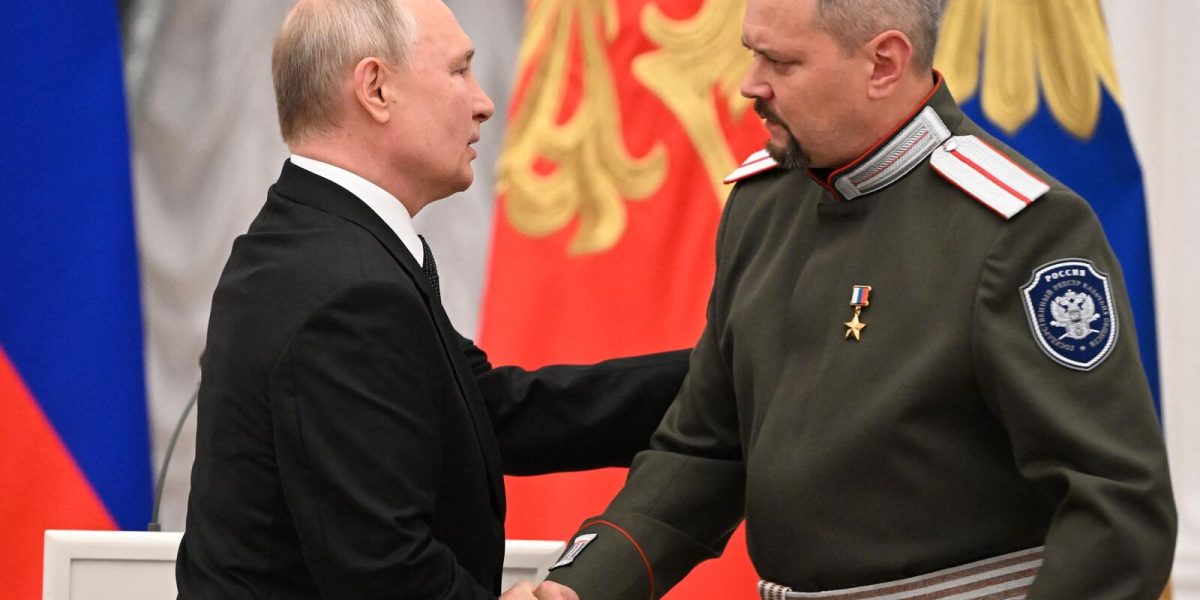
In the small town of Polevskoï, Russia, residents gathered in a municipal hall to hear a candidate speak. The man before them, Maksim Cholomov, commanded a Russian army platoon in Ukraine in 2022. A rocket tore off his left arm. His black prosthetic now extends from his sleeve as he recounts the horrors of combat.
“It was the apocalypse. The order came: contain the offensive,” Cholomov tells the silent crowd of activists and local officials.
Veterans Front and Center in Election Campaign
Across Russia, war veterans have become the face of political campaigns as the country holds parliamentary elections. Voters are casting ballots to renew all 450 seats in the State Duma, the lower house of Parliament. In addition, eleven regional governors are being appointed, 39 regional parliaments renewed, and thousands of municipal councilors elected.
The prominence of veterans in these elections represents a significant shift in Russian political culture, as candidates with military backgrounds leverage their wartime experiences to connect with voters.
From Battlefield to Ballot Box
Cholomov’s candidacy in the Krasnoyarsk constituency exemplifies a broader trend. Throughout the weekend, campaign posters featuring decorated soldiers and wounded warriors line streets and public spaces across the nation.
These candidates bring narratives of sacrifice and survival directly to voters, sharing personal accounts of combat that resonate with a public shaped by ongoing military operations.
- Veterans of the Ukraine conflict are running for seats across multiple regions
- Campaign events feature firsthand accounts of battlefield experiences
- Wounded soldiers with visible prosthetics have become recognizable campaign figures
- Military service records serve as central credentials for candidate legitimacy
A New Political Landscape
The integration of war veterans into Russia’s political system marks a notable evolution in the country’s electoral dynamics. Their participation signals both the Kremlin’s strategic positioning and the personal ambitions of those who served on the front lines.
As voters head to the polls, the outcome will determine not only the composition of Russia’s legislative bodies but also the extent to which wartime service translates into political power.