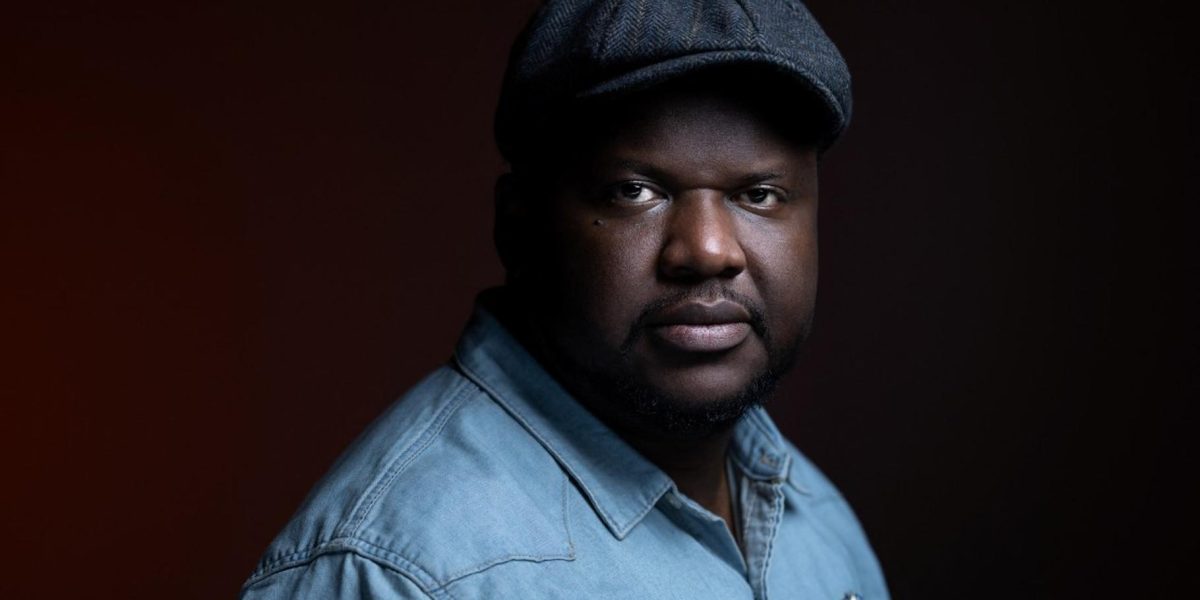
Samuel Fitoussi, a conservative essayist and regular contributor to Le Figaro, has acknowledged his involvement in the anonymous collective behind “Balance ton Claude,” the social media account that accused Canadian-Haitian author Thélyson Orélien of using artificial intelligence to write his novel C’était ça ou mourir.
The admission, made Friday via social media, comes after Le Figaro revealed his connection to the account on Thursday. The controversy has already claimed significant casualties: the Académie Goncourt removed Orélien’s novel from its prestigious prize selection on Friday, stating the work was “in all likelihood very largely the product of artificial intelligence.”
A Matter of Principle, Says Essayist
In a lengthy statement that has accumulated nearly 150,000 views, Fitoussi defended the collective’s actions as a necessary intervention against the growing threat of AI-generated literature.
“I fear that after several millennia of civilization founded on writing, AI will cause the disappearance of reading and writing,” Fitoussi wrote.
The essayist argued that authors could become discouraged from writing, only to find themselves “suspected of having copy-pasted ChatGPT.” He emphasized the importance of transparency, stating that readers deserve to know “whether they are dealing with a human text or a robot’s.”
Fitoussi also praised detection software such as Pangram, the tool used to flag Orélien’s book, and declared it “important to denounce authors who offer a copy-paste of ChatGPT while claiming it is their own writing.”
Addressing critics who blame the collective for harming Orélien, Fitoussi offered a pointed rebuttal: “To all those who reproach us for having harmed Orélien, think rather of the author who wrote a magnificent book, who would have deserved the Goncourt, and who would not have received it.”
He did, however, concede that the collective feels “compassion for the difficult days Orélien must be experiencing,” while maintaining they had a “duty to raise the alarm.”
Unanswered Questions Linger
Despite the detailed explanation, significant questions remain unanswered. Fitoussi confirmed he was “not alone” in the endeavor but declined to identify other members, saying they “will reveal their identity in due time if they wish.”
He described the collective as motivated by “attentive readers” who prompted the account to target Orélien’s work. However, the identities of these individuals carry particular weight given speculation that competing publishers or Pangram itself might have orchestrated the controversy. The tech company has denied any connection to the account, and Fitoussi stated he is not an “investor” in Pangram.
Questions also persist about how the account achieved such rapid virality. “Balance ton Claude” amassed nearly 5 million views despite starting from relative obscurity with only about 100 followers. Le Monde noted Tuesday that such reach would be difficult without assistance, pointing to “the involvement of a number of conservative profiles,” including Fitoussi’s own.
Racism Allegations Go Unaddressed
Notably absent from Fitoussi’s statement was any response to allegations of racism, which have become central to the controversy given the cyberharassment directed at Orélien, a Black writer.
Journalist Doan Bui of Le Nouvel Obs observed that “this is unfortunately not the first time accusations of this order have targeted foreign Black authors.” In her article titled “The ‘Natives’ Know How to Write,” she noted the controversy was “immediately relayed by the far-right sphere.”
Critics have also raised concerns about potential biases in detection software like Pangram, which Orélien suggested may not be familiar with the “Haitian and Caribbean” influences in his writing style.
Fitoussi addressed only accusations that “Balance ton Claude” targeted Orélien because of his views on migration, insisting that “neither Orélien’s political ideas nor the theme of his book mattered” to collective members.
Yet the consequences for Orélien have been severe: promotion of his novel was suspended in Canada, he was excluded from a book fair, and now he has been removed from the Goncourt Prize list.
Speaking to AFP on Thursday, the author stood by his account, describing what he sees as a “desire not only to attack the book, but above all my voice” and “to silence me.”