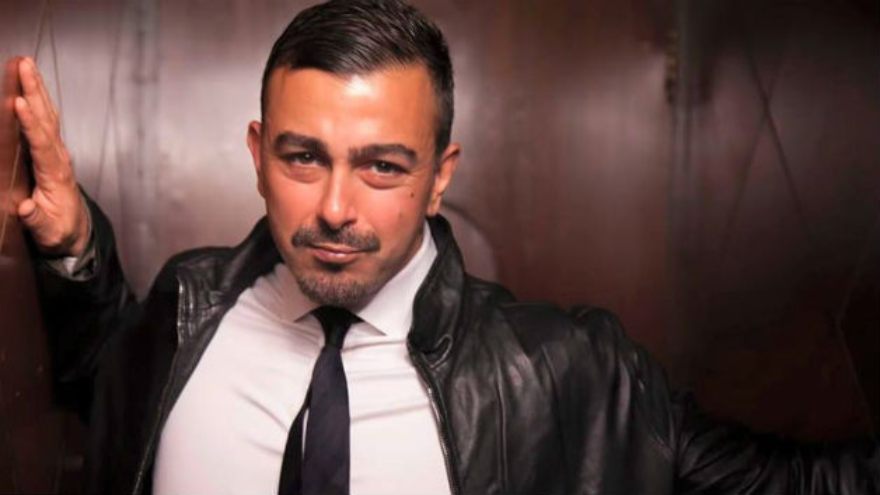
Veteran Pakistani actor, writer and director Shaan Shahid has raised pointed questions about the growing presence of social media personalities in the country’s mainstream entertainment industry, arguing that instant online popularity does not necessarily translate into a lasting career.
Speaking on Dunya TV’s podcast The Anchorman, hosted by Ali Sohail, the seasoned star addressed the shifting dynamics of Pakistan’s entertainment landscape, where TikTokers, YouTubers and digital influencers are increasingly crossing over into television and cinema.
A Blunt Take on the Crossover
Shaan made clear that he does not believe he can control who gets cast in films or television projects, stressing that individuals are free to make their own professional choices. But he questioned whether a sudden surge in followers could ever serve as a foundation for sustainable success in acting.
“Your camera, your circus,” he said, adopting a blunt tone while discussing the wave of young people identifying themselves as public figures, content creators and influencers.
The actor said he found it striking that so many members of the younger generation appeared eager to pursue these routes, particularly when social media offers such a quick path to recognition. For Shaan, the attraction of online fame should not be confused with the acquisition of professional expertise.
Fame Versus Craft
Central to Shaan’s argument is the distinction between going viral and building a career rooted in genuine artistic ability. He described the initial wave of social media popularity as powerful, but maintained that temporary fame fades when it is not backed by talent, training and knowledge.
He pointed to towering figures from Pakistan’s artistic history as examples of careers that outlived their original moment of popularity. He specifically cited legendary singers Mehdi Hassan and Noor Jehan, noting that audiences continue to listen to their music decades later.
According to Shaan, their enduring appeal was tied to a deep understanding of music and the rigorous training they received, including mastery of sur and raag. He also observed that internationally recognised singers generally undergo substantial preparation before achieving sustained success.
- Viral moments can open doors but cannot guarantee longevity
- Training and knowledge of craft separate lasting careers from fleeting fame
- Audiences eventually demand substance and ability
Shaan drove the point home by asking how many names from previous waves of online popularity people can still remember, using the question to underline the gap between temporary visibility and enduring relevance.
Digital Stars Entering Cinema
His remarks come as the boundary between social media fame and conventional Pakistani entertainment grows increasingly blurred. Digital creators who built audiences on TikTok and YouTube are now being considered for television and film projects.
One example is YouTuber Rajab Butt, who is set to appear on the big screen alongside actress Amar Khan in an upcoming Pakistani film. The project is being directed by Syed Faisal Bukhari, with a screenplay by Sarmad Ibrahim.
Even so, Shaan insisted he could not dictate how the industry should operate or determine who receives opportunities. His emphasis remained firmly on the importance of acquiring knowledge and developing artistic ability.
Shaan is one of Pakistan’s most prominent film actors, writers and directors, having starred in more than 500 films since his debut in 1990.
On Working in India
During the same interview, Shaan addressed the recurring debate over Pakistani actors seeking work in India. He took issue with the notion that an actor should face no boundaries when it comes to professional opportunities, arguing that practical realities become clear when questions of visas and cross-border access arise.
He said he does not interfere in the choices of actors who wish to travel to India for work, stressing that their careers and decisions belong to them. However, he questioned why Indian productions would necessarily need to recruit Pakistani performers when India already has a vast pool of talent.
He pointed out that hundreds of actors emerge in India every month, raising the question of what circumstances would lead an Indian production to specifically seek talent from Pakistan.
Shaan also reflected on his personal position regarding work in India. He recalled that his father had made a film about Kashmir, explaining that this family connection shaped how he views certain professional decisions. He said he felt a responsibility to carry the image and legacy associated with his father rather than treating such matters as confined to the past.
He referred to the historical and political differences between Pakistan and India, particularly the Kashmir issue, noting that Pakistanis had celebrated developments connected with wars involving the two nations, and arguing that people on the other side could hold similarly strong feelings.
His remarks came in response to repeated questions about opportunities in Bollywood, including reports that he had once been approached for a role in the Indian film Ghajini. Shaan said he had previously addressed the matter and indicated that he did not regard the opportunity as something requiring repeated discussion.