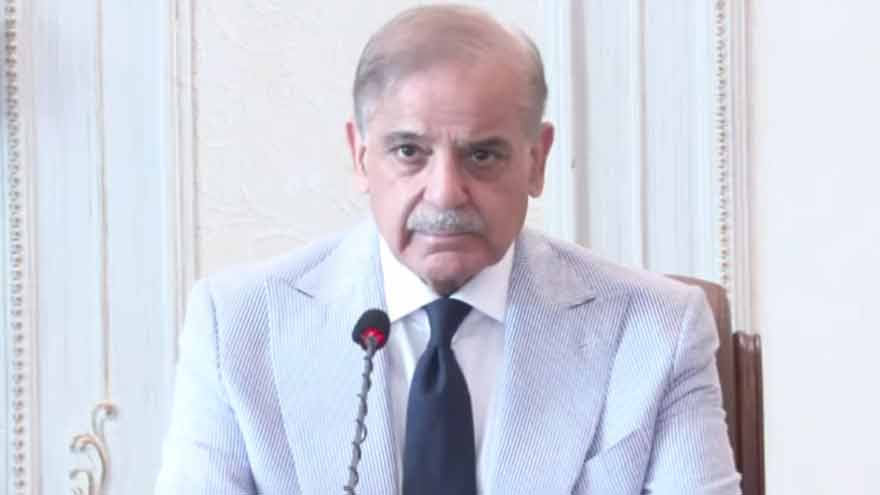
ISLAMABAD — Prime Minister Muhammad Shehbaz Sharif has reaffirmed his government’s commitment to expanding access to mental health services, eradicating social stigma and ensuring timely diagnosis and treatment of mental health conditions across Pakistan.
In a message marking World Mental Health Day, observed annually on October 10, the prime minister declared that mental health is fundamental to overall well-being, asserting that there can be no health without mental health.
A Policy Framework for 2026-35
Central to the government’s agenda is the National Mental Health Policy 2026-35, being developed through the Ministry of National Health Services. According to the prime minister, the policy will provide a framework for a more accessible, equitable and rights-based approach to mental health care.
He said effective implementation of the policy, with a focus on tangible and measurable outcomes, remains a government priority. The government is also working to strengthen early diagnosis and intervention while improving access to quality mental health services in collaboration with provincial governments and relevant stakeholders.
Integrating Care Into Communities
Under these efforts, mental health services are being integrated into primary healthcare facilities, educational institutions and community-based platforms to broaden access to care.
The prime minister identified children, young people, women and vulnerable and disadvantaged groups as requiring particular attention. He also stressed the need to address the mental health needs of communities affected by poverty, displacement, emergencies and the adverse impacts of climate change.
Listening to ‘Real Voices’
Referring to this year’s theme, “Lived Experiences Heard: Real Voices, Real Change,” the prime minister underscored the importance of listening to people experiencing mental health conditions and incorporating their perspectives into policies, services and decisions affecting their lives.
He said the meaningful participation of affected individuals, alongside expert input, was essential for developing effective strategies and strengthening mental health systems.
Youth and National Development
The prime minister noted that mental health extends beyond the prevention and treatment of mental health conditions, describing it as integral to the healthy development of young people and their ability to realise their full potential.
He emphasised the need to recognise the challenges young people face in developing their personalities, nurturing their abilities and achieving intellectual and emotional growth. Addressing these challenges, he said, would help harness the country’s human resources and direct their capabilities towards national development and prosperity.
Treating Mental Illness Like Physical Illness
The prime minister stressed that the identification and treatment of mental health conditions should receive the same acceptance at individual, family and societal levels as physical illnesses.
He said a supportive and non-judgmental environment was necessary to encourage people to seek timely treatment and focus on recovery without fear of stigma or social pressure.
Acknowledging that many people continue to face discrimination, delays in seeking treatment and barriers to essential support, he said the government was committed to addressing negative attitudes towards mental health and removing obstacles that discourage people from accessing care.
A Call for Collective Action
The prime minister called for sustained collective efforts by governments, educational institutions, families, civil society, mental health professionals and development partners to ensure effective treatment, care and rehabilitation for people experiencing mental health conditions.
He urged citizens to contribute towards building a society where people can speak openly about mental health without fear, stigma or embarrassment, and where everyone has the opportunity and support to lead a healthy, active and fulfilling life.