Austria’s foreign minister has called for a fundamental rethink of how the European Union conducts enlargement, arguing that candidate countries in the Western Balkans should gain access to the bloc’s Single Market as they implement reforms rather than waiting until full membership is achieved.
Reforms Should Deliver Immediate Results
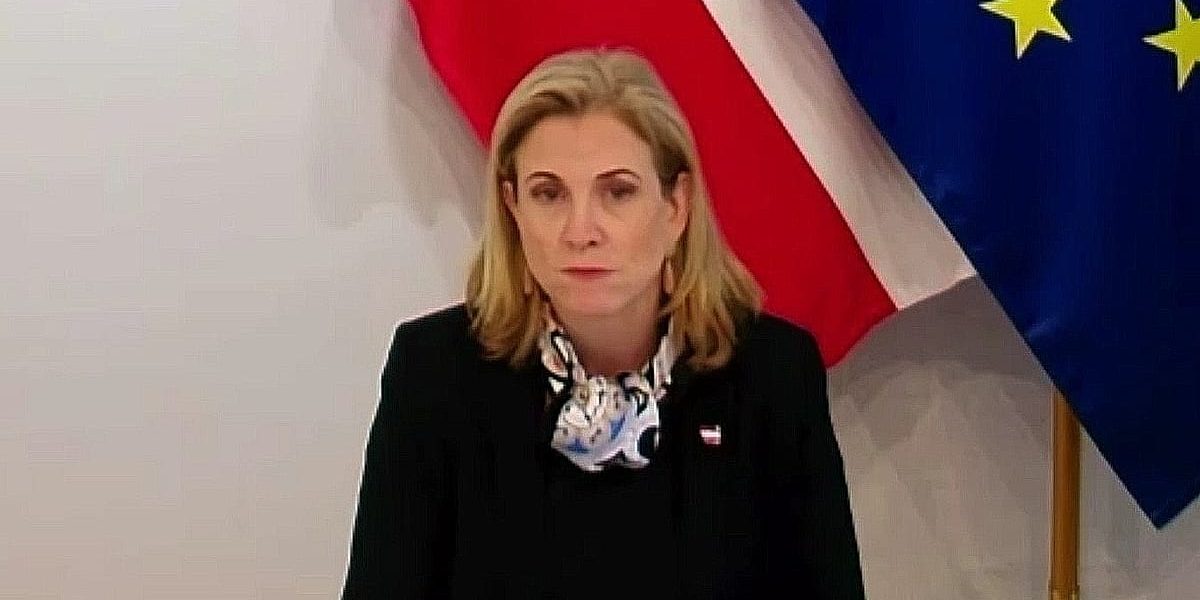
Speaking to Euronews, Foreign Minister Beate Meinl-Reisinger acknowledged that the accession process is “complicated” and heavily “bureaucratic,” and said the current model fails to give candidate countries a tangible sense of progress.
Under Austria’s proposal, aspirant members would be granted phased access to the Single Market as they meet reform benchmarks, allowing them to feel “the effects of the reforms immediately.”
The approach marks a departure from the traditional accession framework, in which candidates typically complete years of negotiations before enjoying the full economic benefits of membership.
Enlargement as a Geostrategic Instrument
Meinl-Reisinger framed enlargement as the EU’s “most powerful and important geostrategic instrument,” positioning the policy as a central pillar of the bloc’s efforts to counter Russian and Chinese influence across the region.
Her remarks come as the EU weighs how to reinvigorate a enlargement agenda that has stalled in several Western Balkan states, where slow reform progress and unresolved bilateral disputes have dampened momentum.
- Austria proposes granting Single Market access during the reform process, not after it.
- The foreign minister describes enlargement as the EU’s key geostrategic tool.
- The plan is aimed at countering Russian and Chinese influence in the Balkans.
A Broader Debate Over the Bloc’s Future
The proposal adds to a growing debate among EU member states over whether the union should enlarge before or alongside internal reforms to its decision-making and budget structures.
Western Balkan governments have long complained that the accession path lacks credibility, with some countries waiting more than a decade for meaningful movement on their applications. Austria’s initiative is likely to be discussed at upcoming meetings of EU foreign ministers as the bloc seeks to reassert its presence in a region where competing powers are actively courting influence.