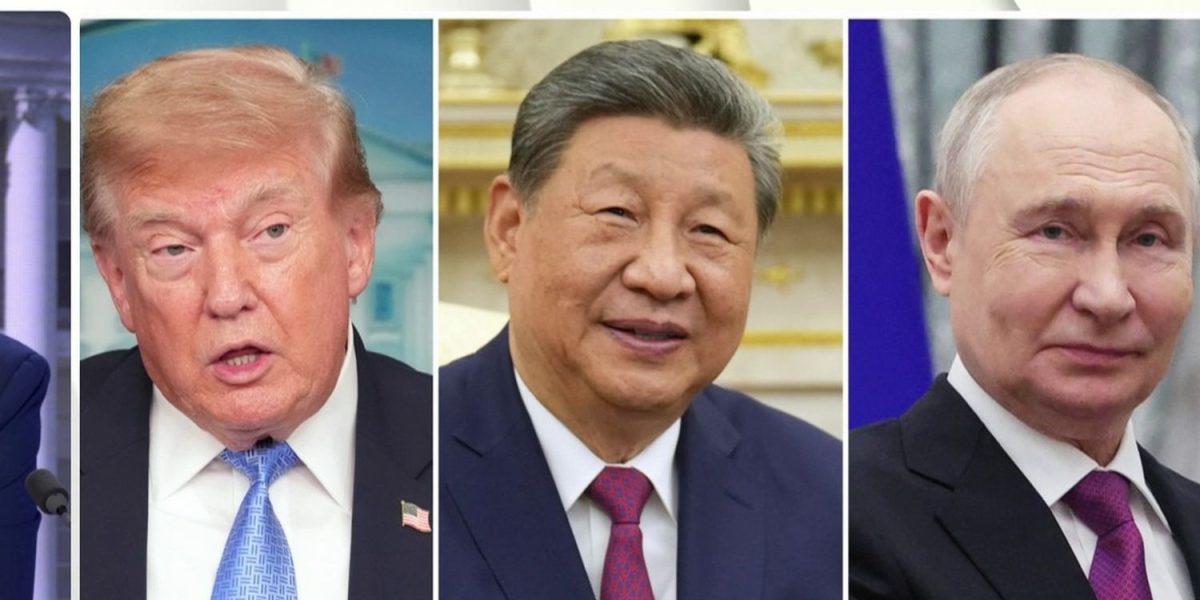
As Donald Trump prepared to travel to China for the APEC summit on Tuesday, a panel of specialists on French public broadcaster franceinfo posed a pointed question: does Asia still expect anything at all from Washington?
The discussion, aired in the network’s “Quart d’heure américain” segment, focused on Trump’s visit to China on 17 November and the high-stakes diplomatic choreography surrounding the Asia-Pacific Economic Cooperation gathering, which both Xi Jinping and Vladimir Putin are due to attend.
A Summit Overshadowed by Great-Power Rivalry
The convergence of the three leaders at a single forum has drawn intense scrutiny, with the meeting framed less as a venue for trade cooperation than as a stage for managing the world’s most volatile international crises.
Joining the analysis were Caroline Puel, a journalist specialising in China, and Ben Barnier, franceinfo’s international affairs specialist. Their assessment suggested a region that has recalibrated its expectations of American leadership.
Regional Powers Hedge Their Bets
Across Asia, governments have increasingly hedged against the unpredictability of US policy, deepening trade and security ties among themselves and with Beijing while treating Washington’s commitments as provisional.
The summit’s agenda is expected to be dominated by the war in Ukraine, tensions over Taiwan and the Korean peninsula, and the lingering fallout from US tariffs — issues on which Asian capitals see little room for manoeuvre in dealings with the White House.
For its part, the Kremlin has confirmed Putin’s attendance, setting up a rare three-way diplomatic moment that analysts say underscores how far the centre of gravity in global affairs has shifted since Trump’s return to office.
The full segment is available in the video above.