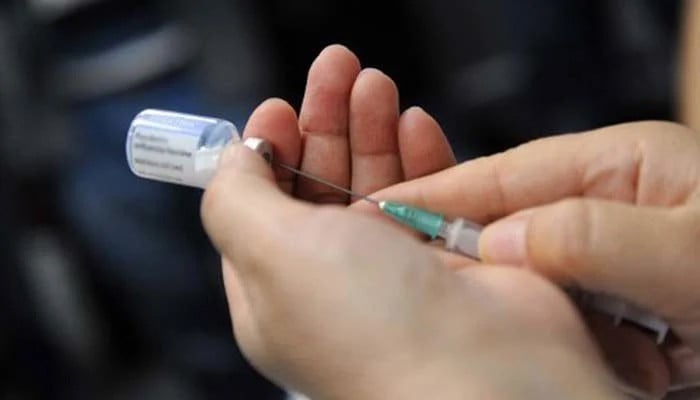
ISLAMABAD – Federal health authorities have mandated a nationwide enforcement of the ban on conventional disposable syringes and initiated a review of safer alternatives, responding to mounting concerns over unsafe injection practices linked to the spread of HIV and other blood-borne diseases.
The decisions emerged from a high-level meeting chaired by Director General Health Dr. Abdul Wali Khan at the Drug Regulatory Authority of Pakistan (DRAP). The session included DRAP CEO Dr. Obaidullah, senior health ministry officials, the World Health Organization’s deputy head in Pakistan, representatives from UNICEF, executive directors of major hospitals, officials from the National Institute of Health (NIH), and infectious disease experts.
Unsafe Injections Fueling HIV Transmission
Officials stated that the meeting reviewed the rising number of HIV infections among both children and the general population. Particular concern was raised over the reuse of syringes, poor infection prevention measures, and unsafe injection practices in clinical and informal healthcare settings.
Health experts have long warned that a significant proportion of HIV infections in Pakistan are linked to the reuse of syringes and unsafe blood transfusions. The widespread use of conventional disposable syringes increases the risk of transmitting HIV, hepatitis B, and hepatitis C.
Review of Safer Syringe Alternatives Ordered
In response, the federal health ministry has decided to form a sub-committee of experts. This committee will assess whether the continued use of conventional syringes should be restricted or replaced with auto-disable or auto-destruct syringes, which are designed to prevent reuse.
Market Survey and Enforcement Actions
Alongside the policy review, DRAP has ordered strict enforcement of an existing ban on conventional disposable syringes. In a directive issued on April 22, DRAP’s Division of Quality Assurance and Laboratory Testing instructed the National Task Force for the eradication of spurious and substandard products to conduct a nationwide market survey.
The directive aims to ensure compliance with the ban, which was imposed on July 31, 2021, prohibiting the import and manufacture of these syringes and cancelling all product registrations. However, concerns persist that these products continue to circulate, particularly in unregulated markets.
Provincial drug control authorities have been directed to take strict regulatory action against any violations. A comprehensive report on findings and enforcement actions has been requested by April 27.
Addressing a Key Driver of Infections
Officials stated that the crackdown is intended to remove unsafe syringes from circulation and address one of the primary drivers of blood-borne infections in the country. Health experts have repeatedly warned that Pakistan remains among the highest users of therapeutic injections globally, with millions administered daily, many of which are unnecessary and delivered using unsafe practices.
Meeting participants stressed the need for stronger infection prevention and control systems, better monitoring of healthcare providers, and increased public awareness to discourage unnecessary injections. Officials also highlighted the importance of ensuring the availability of safer alternatives, including auto-disable syringes, particularly in public sector health programs.