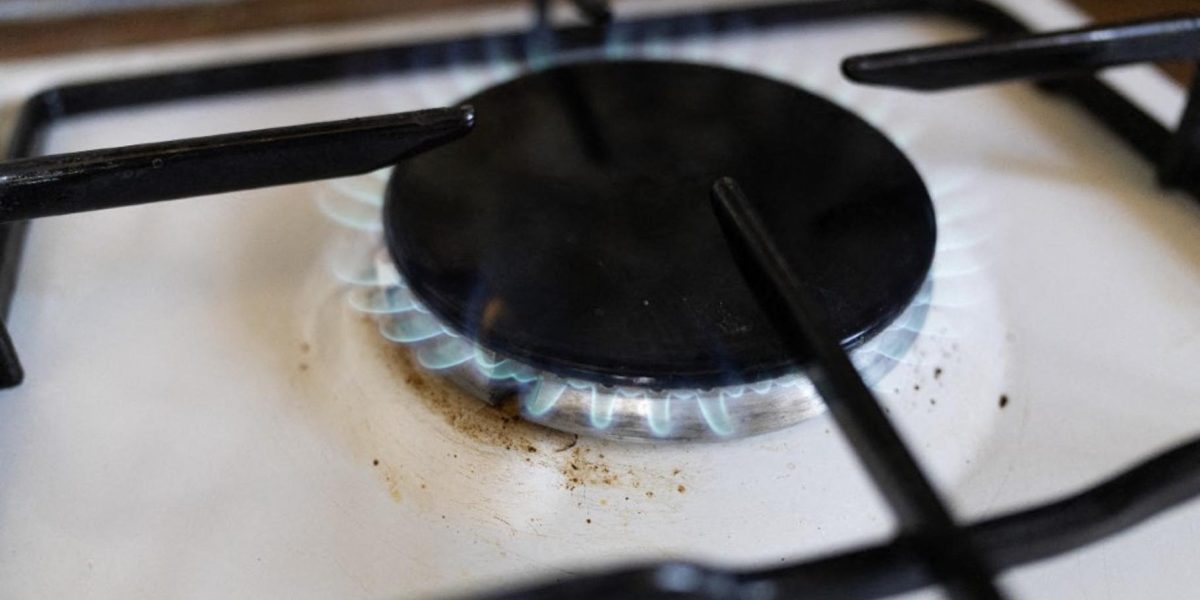
French households are facing a punishing winter of rising energy costs, with the regulated benchmark price of gas increasing by 6.3% as of October 1, driven by sustained inflation across wholesale gas markets.
A Cascade of Increases
The October hike adds roughly €5 to the average monthly bill, but it is only the latest in a series of increases that have accumulated throughout the year. The price of gas surged by more than 15% in May 2026, two months after the outbreak of war in Iran, and further increases followed over the summer months.
Emmanuelle Wargon, president of the French Energy Regulatory Commission (CRE), warned in mid-September that the average annual bill for 2026 “could be around €120 more per year compared to 2025, if prices remain at current levels until the end of the year.”
The impact will fall on the approximately 6 million households subscribed to offers indexed to the benchmark price, which fluctuates monthly. The 4 million households on fixed-price contracts are not affected by this increase.
Strait of Hormuz Blockade Fuels Global Competition
The root cause of the price surge lies far from French shores. The Strait of Hormuz — through which 20% of global liquefied natural gas (LNG) exports transit — has been blocked for more than six months amid the conflict between Iran and Oman.
While France itself is not heavily dependent on Qatari gas, which accounts for only 3.8% of national consumption, the blockade has triggered a global chain reaction. Asian nations that relied on Qatari supply have been forced to seek alternatives elsewhere, intensifying competition on the wholesale markets from which France sources its gas.
“We have a price shock problem,” said Sami Ramdani, a researcher at the French Institute for International and Strategic Affairs (IRIS) specializing in energy geopolitics, in an interview. “We are not dependent on Qatari gas, but others are. The competition is fiercer on the markets, and that mechanically drives up prices for everyone.”
The competition intensifies further during winter, when multiple regions of the world experience cold weather simultaneously. If reserves built up during spring and summer prove insufficient, countries have no choice but to compete for the same LNG cargoes at the height of the season, driving auctions ever higher. French storage tanks are currently less filled than at the same point last year.
Projected Increases Through Winter
According to calculations by energy comparison service Selectra, the benchmark price could rise another 9% on November 1, remain stable in December, and gain 2% in January. November and December spot prices — when gas is likely to be purchased at peak cost — will appear on January and February bills, when heating consumption is at its highest. Selectra warns that the winter of 2026-2027 could “break all records” for gas prices.
EU Sanctions on Russian Gas Add Pressure
Compounding the market tensions, the European Union agreed in December 2025 on legislation banning imports of Russian gas between 2026 and 2027. From January 1, 2027, the prohibition on concluding long-term LNG contracts with Russia takes effect, with a full ban on pipeline gas following by September 30, 2027.
Russian gas already represented only 6% of EU imports in 2025, down from 40% in 2021, according to the European Council. That remaining share will need to be sourced elsewhere on global markets.
“This new European regulation will be an additional constraint, and we can logically anticipate a price increase,” Ramdani said.
Another EU regulation on methane emissions, which imposes new transparency obligations on natural gas and oil importers, could further strain supply costs. However, President Emmanuel Macron requested a one-year postponement of this rule on September 20 to secure fuel and gas imports.
Grounds for Optimism?
Some relief may come from across the Atlantic. Analysts suggest that Donald Trump, facing political pressure ahead of the midterm elections, may push to reopen the Strait of Hormuz to address voter concerns over rising prices after more than six months of conflict in the Middle East.
In the longer term, new liquefaction capacities expected to come online in the United States from 2027 could help rebalance the market and ease price pressures.
For the most vulnerable households, the government has confirmed that the energy voucher will be maintained in 2027, providing between €150 and €270 to help 4.2 million low-income households cover their energy bills.