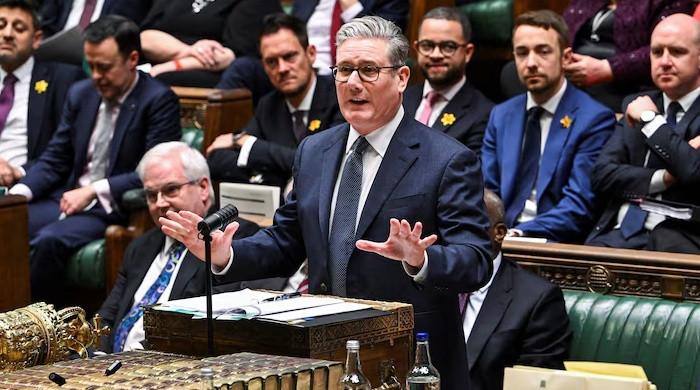
Prime Minister Keir Starmer’s Labour Party has suffered a stunning and embarrassing defeat, losing one of its safest parliamentary seats to the left-wing Green Party in a result that signals a profound breakdown of Britain’s traditional two-party politics.
A “Seismic Moment” in British Politics
In the Gorton and Denton by-election in Manchester on Friday, Green Party candidate Hannah Spencer secured a landmark victory. The populist Reform UK party, led by Nigel Farage, finished second, with Labour pushed into a distant third place. The seat had been a Labour stronghold for almost a century.
Leading pollster John Curtice called the result a “seismic moment,” suggesting the future of British politics is now more uncertain than at any time since the end of the Second World War. Labour Party chair Anna Turley admitted the outcome was “clearly disappointing.”
Personal Blow for an Unpopular Prime Minister
The defeat represents a deep personal blow for Prime Minister Keir Starmer, who had staked his authority on winning the contest. He blocked a popular local rival, Manchester Mayor Andy Burnham, from standing and made a rare campaign visit to the constituency—a move leaders typically avoid when facing the risk of a loss.
The loss piles immediate pressure on Starmer, who has faced weeks of political turmoil and calls for his resignation. It follows the most dangerous moment of his premiership this month, stemming from a controversial ambassadorial appointment linked to the late sex offender Jeffrey Epstein.
Collapse of the “Red Wall” and Voter Loyalty
The constituency, part of Labour’s once-impregnable “Red Wall” of industrial heartlands, illustrates a dramatic voter realignment. Labour’s vote share collapsed from over 50% in the 2024 general election to just 25.4%. The Greens won 40.7% of the vote, with Reform UK taking 28.7%.
Analysts point to Starmer’s unpopularity, sluggish economic growth, and a series of policy U-turns as key factors in the dramatic decline. The election was triggered by the health-related resignation of the sitting Labour MP.
Multi-Party System Emerges, Challenging Duopoly
The result underscores the rise of insurgent parties and the increasing volatility of the British electorate. The Green Party, which supports policies like leaving NATO and legalising recreational drugs, won its first-ever parliamentary by-election and its first seat in the north of England.
Nationally, five parties are now polling in double digits, threatening the century-long Labour-Conservative duopoly. While Reform UK poses the main national challenge to Labour, its candidate in Gorton and Denton was hampered by past comments criticized as anti-Muslim, highlighting the party’s potential struggles in ethnically diverse urban areas.
Starmer’s Future Hangs in the Balance
While immediate leadership challenges may be limited, Labour lawmakers suggest Starmer’s position could become untenable after expected poor results in local and regional elections across Wales and Scotland in May. The Prime Minister has so far brushed off resignation calls and pledged to fight on.
The Gorton and Denton result is more than a single by-election loss; it is a potent symbol of a fragmented political landscape where old loyalties have shattered, leaving the path to the next general election wide open.