Ceasefire Takes Effect Amid Celebrations and Early Accusations
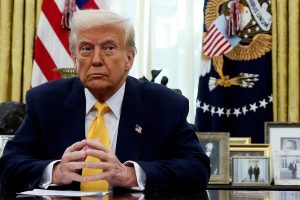
A ten-day ceasefire between Israel and Lebanon entered into force at midnight local time on Friday, following an announcement by U.S. President Donald Trump. The truce, which comes after a month and a half of conflict between Israel and the Iranian-backed Lebanese Shia group Hezbollah, was met with celebratory gunfire in Hezbollah’s stronghold in Beirut’s southern suburbs. Images showed residents returning to the heavily damaged southern suburbs of the Lebanese capital, some waving Hezbollah’s yellow flag or carrying portraits of its former leader, Hassan Nasrallah.
Lebanese Army Reports Israeli Violations, Hezbollah Retaliates
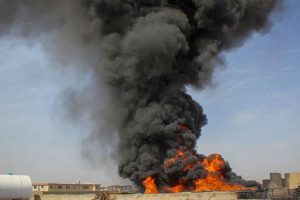
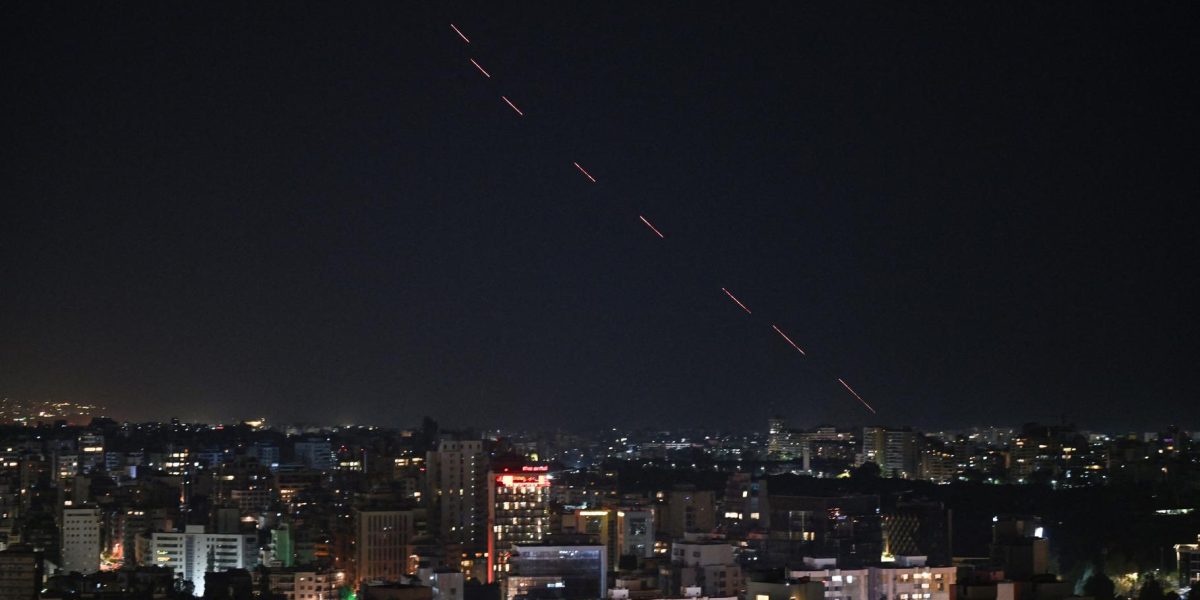
Within hours, the Lebanese army denounced what it called a “number of violations of the agreement,” citing “several Israeli acts of aggression” and “sporadic bombardments that hit several villages” in southern Lebanon. It urged civilians displaced by the fighting not to return immediately. The Israeli military, meanwhile, warned it was maintaining its ground deployment in the region and advised people not to return to the area south of the Litani River.
In response to the alleged violations, Hezbollah announced it had “bombarded a gathering of Israeli soldiers near the town of Khiam” in southeastern Lebanon. Official Lebanese media also reported bombardments on Khiam and the nearby village of Debbine, along with intense drone activity in the area.
Political Reactions and Underlying Tensions
President Trump stated he was working to organize an unprecedented White House meeting between Lebanese President Joseph Aoun and Israeli Prime Minister Benjamin Netanyahu. Hezbollah parliamentarian Ibrahim Moussaoui told AFP the group would observe the truce “provided it is a comprehensive cessation of hostilities against us and that Israel does not exploit it to carry out assassinations.” French President Emmanuel Macron expressed concern that the ceasefire was being “weakened by the continuation of military operations” and called for the safety of civilians on both sides of the border.
Lebanese Prime Minister Nawaf Salam welcomed the ceasefire agreement. Israeli Prime Minister Benjamin Netanyahu called it an opportunity for “historic peace” with Beirut but reiterated his precondition for Hezbollah’s disarmament.
Broader Regional Context and Humanitarian Toll
Lebanon was drawn into the wider Middle East conflict in early March when Hezbollah targeted Israel in support of Iran against a major Israeli-American offensive. Despite a separate two-week truce with Iran that began on April 8, Israel continued military operations in Lebanon against Hezbollah. According to authorities, these strikes have killed more than 2,000 people. The UN reports that one million people, a fifth of Lebanon’s population, have been displaced.
Parallel negotiations, mediated by Pakistan, continue to arrange a second session of U.S.-Iran talks aimed at ending the war, after initial talks in Islamabad failed last weekend. President Trump claimed the U.S. and Iran were “very close” to a deal, with Tehran allegedly agreeing to surrender its enriched uranium—a key Washington demand—though the Iranian government did not immediately confirm this.