Massive Coordinated Assault
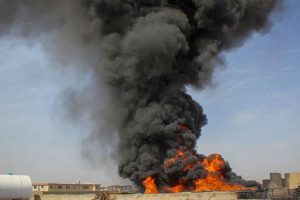
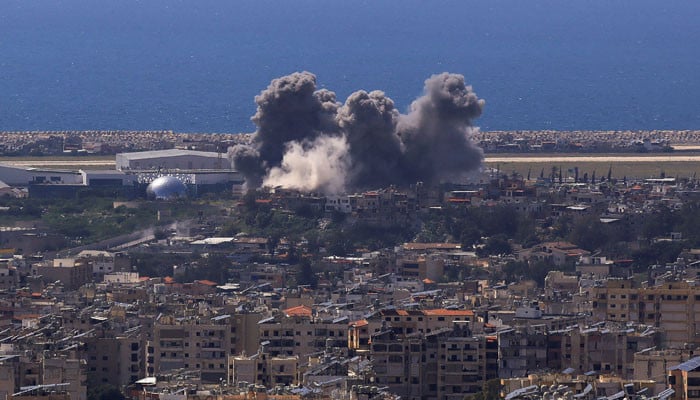
Israel launched its heaviest airstrikes on Lebanon since the conflict with Hezbollah began, targeting over 100 sites in a massive coordinated assault. The strikes, which hit Beirut, the Bekaa Valley, and southern Lebanon, came even as the Iran-aligned Hezbollah group paused its attacks on northern Israel under a newly announced two-week US-Iran ceasefire.
Mounting Civilian Casualties
Lebanon’s health ministry reported at least 89 people killed and 700 wounded in the widespread bombardment. The casualties included a dozen medical personnel, straining the country’s healthcare system. In Beirut, Reuters journalists witnessed overwhelmed emergency services, with civilians using motorcycles to transport the wounded due to a shortage of ambulances.
- Major hospitals issued urgent calls for blood donations and all available physicians to report for duty.
- Strikes hit central Beirut without prior warning, according to Lebanese state media.
- A dawn airstrike on a building near a hospital killed four people, while another attack on Sidon killed eight.
Ceasefire Contradictions
The intense military action followed contradictory statements about whether the US-Iran ceasefire applied to Lebanon. Israeli Prime Minister Benjamin Netanyahu asserted the truce “did not apply to Lebanon,” directly contradicting earlier comments from Pakistani Prime Minister Shehbaz Sharif, a key intermediary, who stated Lebanon was included.
Hezbollah lawmakers condemned the strikes as “a grave violation of the ceasefire,” warning of repercussions for the entire agreement if attacks continued. The group had halted its military operations early Wednesday after being informed it was part of the ceasefire arrangement.
Humanitarian Crisis Deepens
The conflict has created a severe humanitarian disaster in Lebanon. More than 1,500 people have been killed since March, including over 130 children. Israeli evacuation orders now cover approximately 15% of Lebanese territory, displacing more than 1.2 million people.
“Lebanon can’t take it anymore. The country is collapsing economically, and everything is collapsing,” said Ahmed Harm, a 54-year-old man displaced from Beirut’s southern suburbs. In Sidon, displaced families packed their belongings, hoping for an official signal to return home, while local officials cautioned against premature returns to unsafe areas.
Regional Diplomacy and Future Uncertainty
Lebanese President Joseph Aoun welcomed the US-Iran ceasefire but emphasized Beirut would continue efforts to ensure Lebanon’s inclusion in any lasting regional peace agreement. The United Nations strongly condemned the Israeli strikes, while France’s President Macron urged for Lebanon’s inclusion in ceasefire talks.
With Israel pledging to establish a “security zone” in southern Lebanon up to the Litani River, and Hezbollah warning of consequences for the ceasefire agreement, the path to de-escalation remains fraught with uncertainty as civilian suffering mounts.