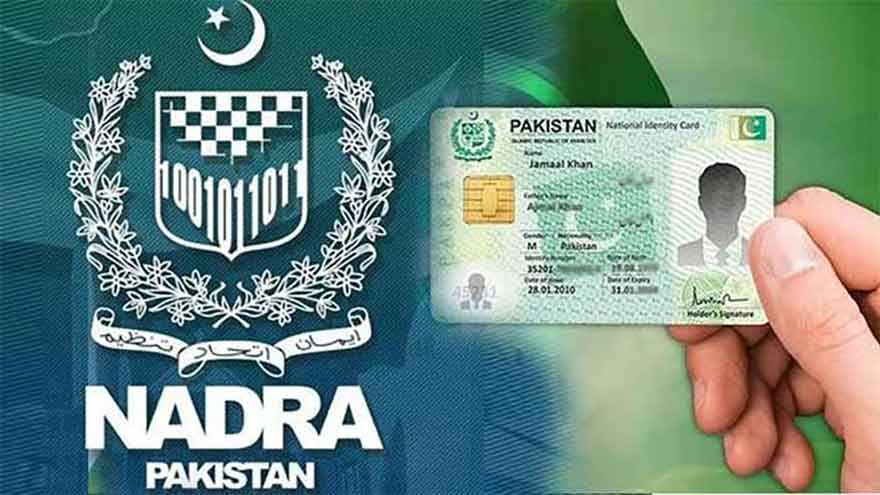
ISLAMABAD — Pakistan has taken a major step toward self-reliant digital identity infrastructure with the launch of a new chipless National Identity Card that relies on a secure QR code instead of imported microchips, the National Database and Registration Authority announced.
The polycarbonate card was manufactured entirely in Pakistan by the National Security Printing Company in Karachi, following technical and security specifications set by NADRA. The shift eliminates dependence on foreign chip suppliers while making digital verification far more accessible through standard smartphones.
How the New QR Code Card Works
The federal government formally approved the issuance of the new identity card on February 23, 2026. Rather than an embedded microchip, the card features a secure QR code that can be scanned and verified directly through the PakIdentity mobile application.
The QR code stores the cardholder’s basic identification details and photograph, allowing institutions to enter biographical data into computerized systems accurately and with minimal manual entry errors.
Key Features of the New Card
- Domestically manufactured polycarbonate construction
- Secure QR code replacing imported microchips
- Verification via PakIdentity mobile app on standard smartphones
- Special symbols for citizens with disabilities, senior citizens, organ donors, and AJK residents
- Names and addresses printed in both Urdu and English
- Modernized visual and hidden security features
Solving a 14-Year-Old Infrastructure Problem
NADRA originally introduced the chip-based Smart National Identity Card nearly 14 years ago, but widespread adoption was hindered by a lack of physical chip readers and compatible infrastructure across the country. The new QR code approach resolves these operational barriers because verification can now be performed using standard smartphones or camera-equipped software.
Specialized verification software will be provided to authorized organizations, including telecom operators, banks, hospitals, Pakistan Railways, and law enforcement agencies, enabling instant scanning and authentication of cards.
Phased Rollout Schedule
The transition to the new identity card system will occur in three phases:
- Phase 1 (from August 14, 2026): The new polycarbonate card replaces the standard chipless Teslin material national identity cards currently being issued.
- Phase 2 (from January 2027): The QR code framework expands to all remaining identity card categories, including NICOP and Juvenile Cards.
- Phase 3: The Pakistan Origin Card will also be migrated to the new chipless QR code platform.
NADRA confirmed that all previously issued identity cards will remain fully valid until their stamped expiration dates, ensuring a smooth transition for citizens across the country.