Oil and Bonds in Focus
Global financial markets experienced significant turbulence this week, with oil prices retreating and bonds struggling under the weight of a hawkish repricing of interest rate expectations. The ongoing war between the U.S., Israel, and Iran continues to inject volatility, forcing central bankers to signal a more aggressive stance against inflation.
Energy Markets Ease Slightly
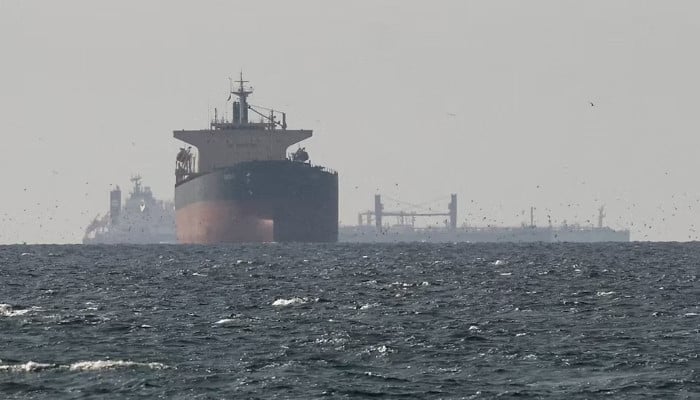
After a dramatic surge, oil prices eased on Friday. Brent crude futures fell 3% to $105.43 a barrel, while U.S. crude dropped 2.2% to $94 per barrel. The retreat followed announcements from leading European nations and Japan to help secure the Strait of Hormuz and U.S. moves to boost supply. Despite the pullback, prices remain over 40% higher for the month, underscoring the persistent energy shock. Natural gas prices have also soared, with European benchmarks surging as much as 35% on Thursday after strikes targeted key regional infrastructure.
Bond Rout and Central Bank Signals
The key driver of the week’s volatility was a sharp reassessment of monetary policy. Following a series of G7 central bank meetings, traders are now pricing out Federal Reserve rate cuts for the year. Meanwhile, a Bank of England hike next month is seen as a coin toss, and sources indicate the European Central Bank could begin discussing rate increases as soon as April.
This hawkish pivot triggered a global bond selloff, pushing yields to multi-month highs. The yield on the two-year U.S. Treasury note jumped over 20 basis points in a single session. “There’s a lot of value in the signal,” said Vishnu Varathan of Mizuho, noting that central banks are messaging markets to prevent yields from spiraling unnecessarily higher.
Equities Stabilize, Dollar Weakens
Equity markets found some stability as oil prices retreated. MSCI’s broadest index of Asia-Pacific shares outside Japan rose 0.18%, while S&P 500 and Nasdaq futures edged higher. The U.S. dollar, however, was set for a weekly loss exceeding 1%, as investors anticipate steeper rate hikes from other central banks compared to the Fed. The euro and British pound both posted strong gains against the greenback.
Long-Term Inflationary Pressures
Analysts warn the inflationary shock from the conflict may be unavoidable. “The Gulf will still be under pressure… so oil prices will not go back to $60, they will maybe stay at $90, at least until the end of the year,” said Alicia Garcia-Herrero of Natixis. The war’s disruption to energy supplies, including a reported 17% loss to Qatar’s LNG capacity, suggests sustained pressure on global prices.
As the conflict persists without clear diplomatic resolution, markets remain braced for further volatility, with central banks poised to act more forcefully to contain the inflationary fallout.